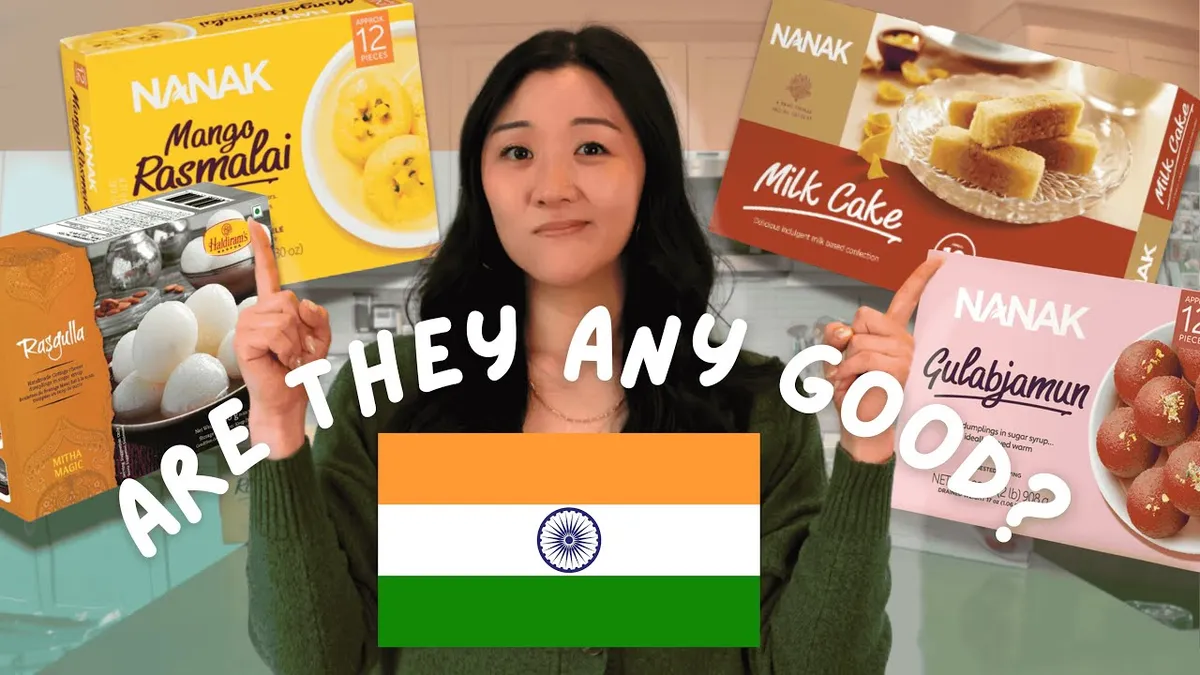
Nanak Frozen Indian Desserts: Our Honest Taste Test
Share
Table of Contents
Contents
We went to the Indian grocery store for biryani ingredients. We wandered into the frozen section, I spotted rasmalai, George spotted milk cake, and by the time we made it back to the cart we had ourselves an accidental Indian dessert haul. No complaints.
Quick Facts:
- Brand: Nanak (Canadian, sold at Indian grocery stores across North America) — except the rasgulla, which is from a separate India-made brand
- Desserts tested: Milk cake (kalakand), rasgulla, original rasmalai, mango rasmalai, gulab jamun
- Price range: $10–$15 per pack; not budget-friendly
- Storage: Frozen; thaw in fridge overnight before serving
- Best for: Dairy lovers; anyone who's tried fresh rasmalai at an Indian restaurant and wants a shortcut
TL;DR: We taste-tested 5 Nanak frozen Indian desserts from an Indian grocery store. Original Rasmalai (10/10) was the surprise winner — legitimately competitive with what we get at good Indian restaurants. Milk Cake (10/10) is dangerously easy to eat — pure condensed milk, crumbly, cheesecake-adjacent. Mango Rasmalai (10/10) tastes like Melona ice cream in disc form. Gulab Jamun (10/9 split) surprised us with genuine cardamom depth. Rasgulla (7/10) — pleasant, simple, not the showstopper. Milk cake + original rasmalai alone justified the haul.
What Is Nanak, and Why Are We Doing This?
Nanak is a Canadian brand that makes frozen Indian dairy sweets — rasmalai, milk cake, gulab jamun, and more — sold at Indian grocery stores across North America. We had tried making rasmalai ourselves a couple of times with mixed results, and readers from those videos kept commenting that we should try the Nanak version. Some also pushed us toward milk cake, specifically saying that if George likes rasmalai, he'll love milk cake. George read that comment and immediately agreed. Into the cart it went.
We grabbed everything we could find: milk cake, rasgulla, original rasmalai, mango rasmalai, and gulab jamun. One note up front: four of the five are from Nanak. The rasgulla is a different brand, made in India, and that distinction turns out to matter in a way we weren't expecting.

Fair warning that these are not budget-friendly. This haul was not cheap, and we'll call out prices for each item as we go. Whether that's worth it is the whole question.
All Five Desserts, Rated in the Order We Tried Them
Milk Cake (Kalakand)
Starting strong, as it turns out. Milk cake (kalakand, as George's co-workers eventually told him after months of him just asking what it was called) was $11 for 12 pieces. That works out to about a dollar a piece. George did the mental math and said he would pay $2.50 for four pieces. High praise from a man who tracks grocery receipts.
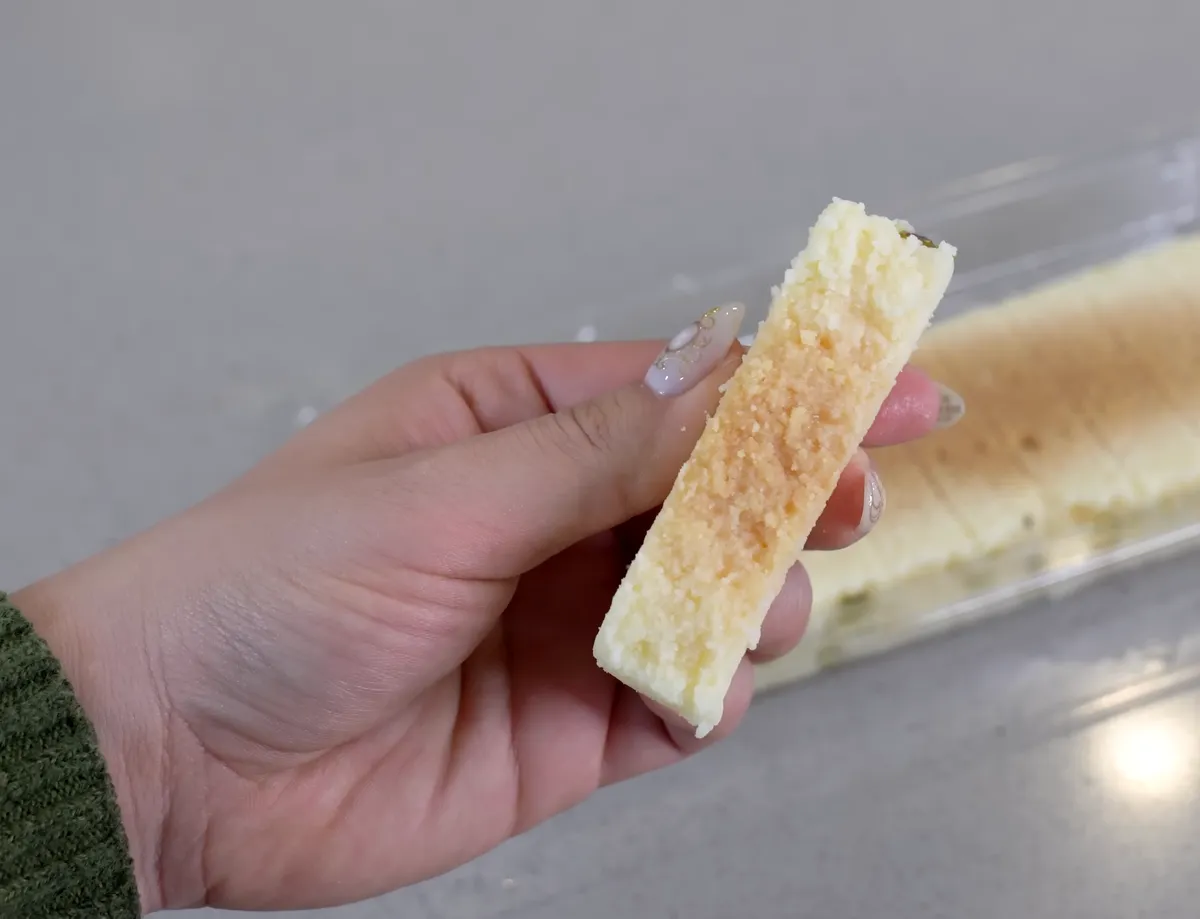
The texture is hard to describe. We went back and forth on it. George landed on "half pound cake, half cookie." I said "bready cheesecake." We eventually agreed it was something like if you left a cheesecake sitting out for a full day: very crumbly, still moist, a little dense in the best possible way. The flavor, to me, is pure condensed milk. Nothing else. George disagreed with my "very sweet" read and thought it was more restrained, and he might have a point. We both gave it a 10 out of 10.
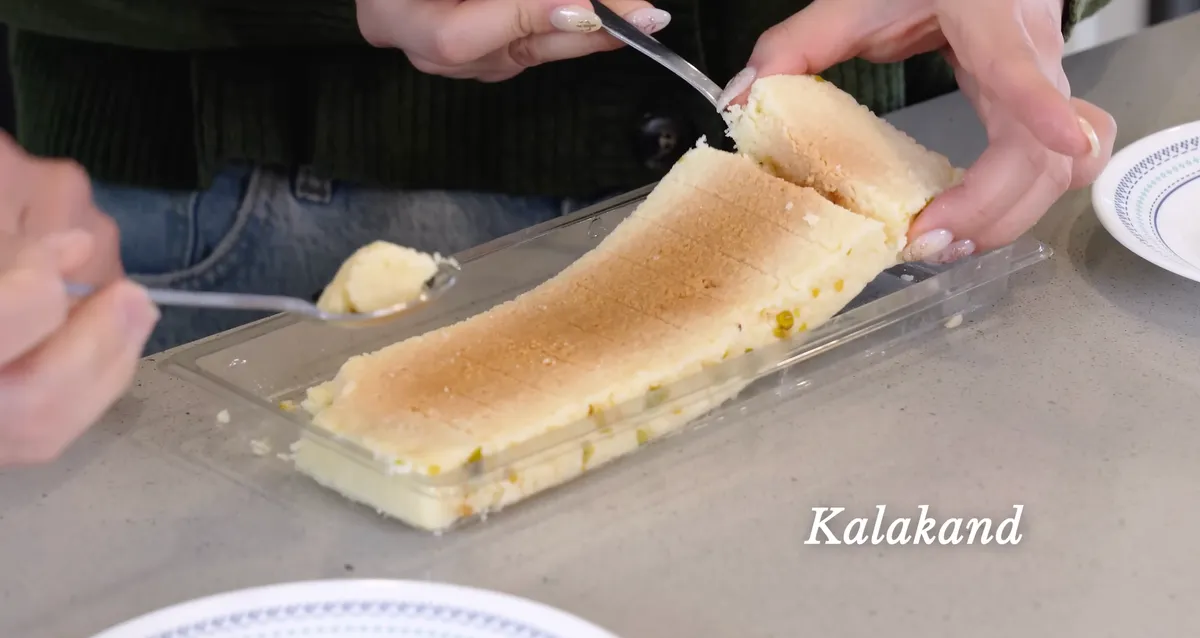
George's exact words: "It's flawless. There's nothing wrong with it at all."
I could eat the entire box by myself in one sitting. I am not saying I did. I am not saying I didn't.
Bonus mental image we could not let go of: crumbled milk cake on top of cardamom ice cream with saffron and pistachios. Someone needs to make this happen.
Rasgulla
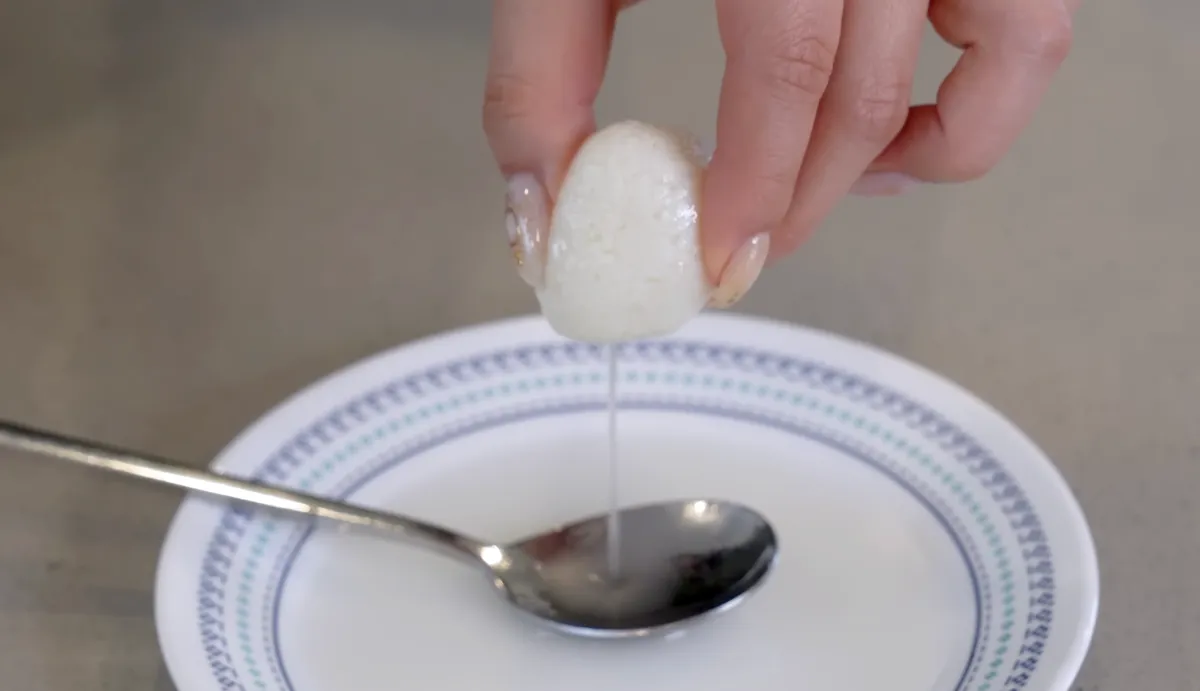
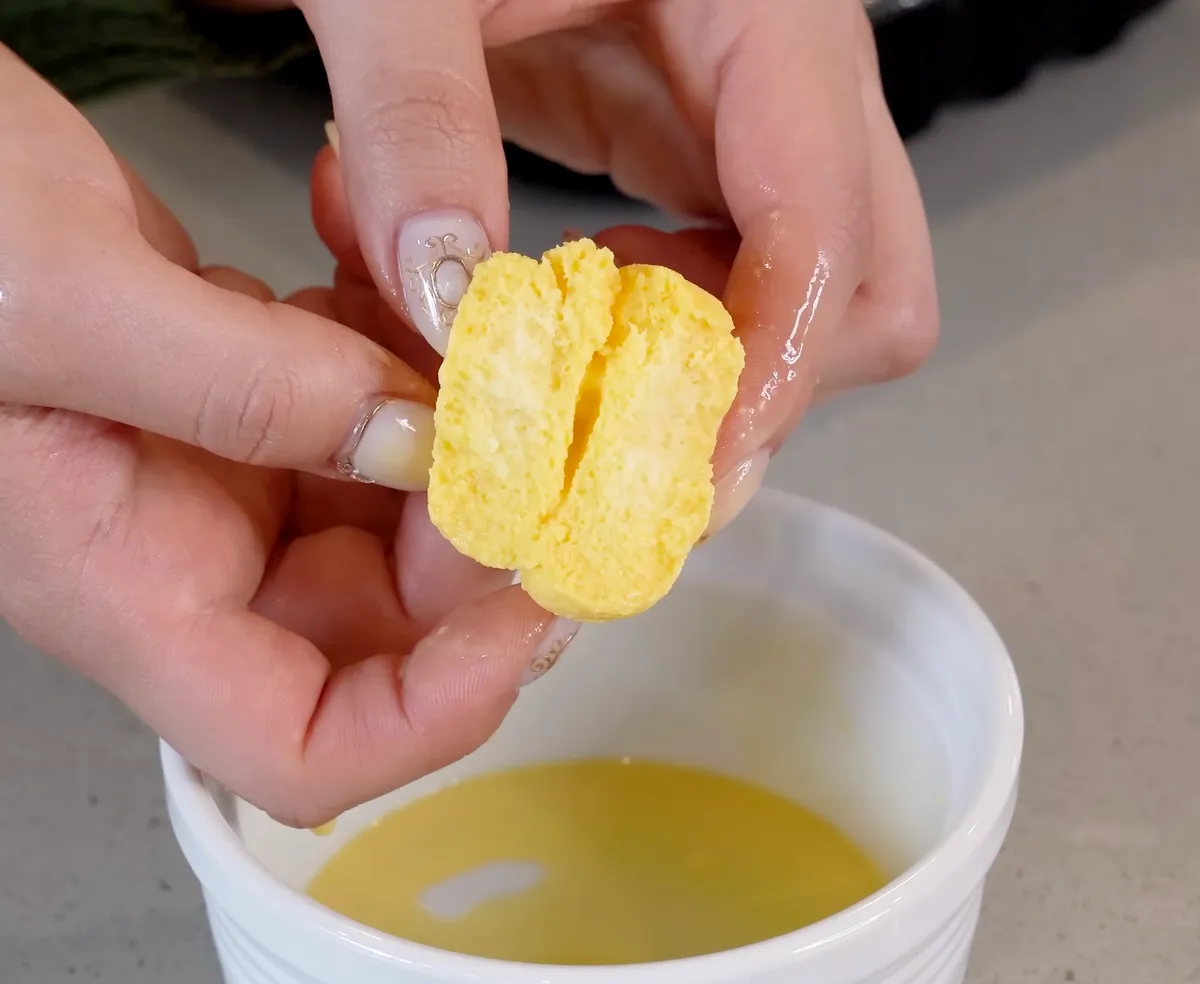
This is the only non-Nanak item in the haul, made in India, $10 for 15 pieces. And it is different in ways that are hard to describe at first. We spent a while debating how rasgulla differs from rasmalai beyond the obvious structural things: rasgulla sits in sugar syrup, rasmalai sits in sweetened milk; rasgulla is a ball, rasmalai is a disc. What we didn't expect was how different they feel to eat.
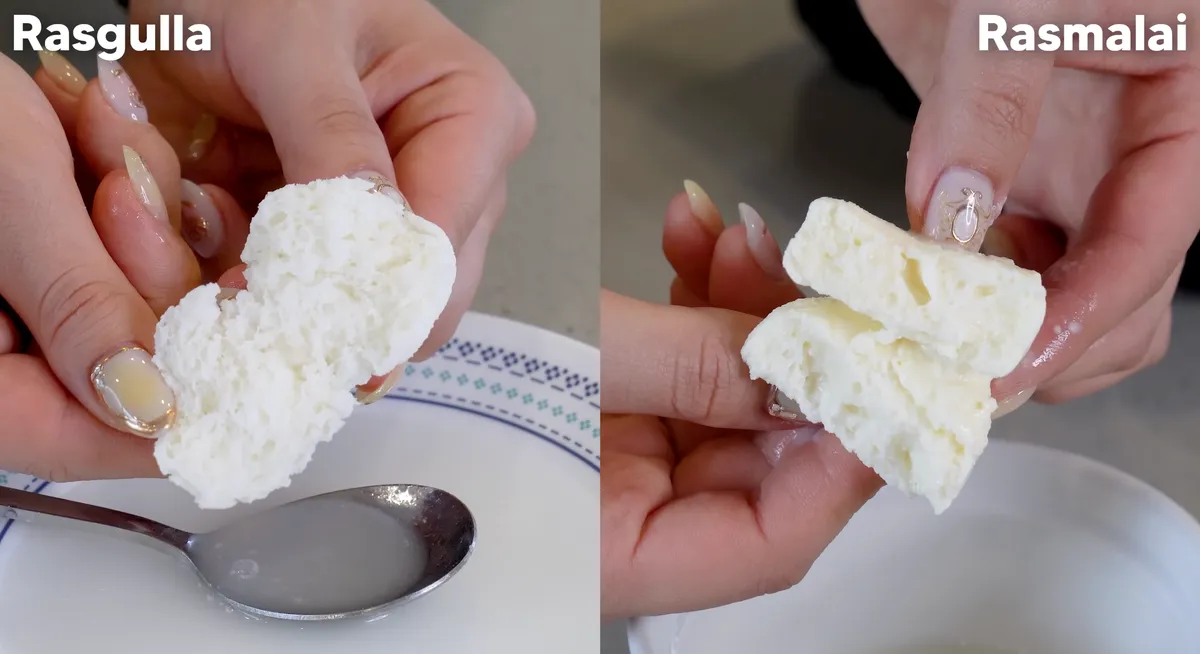
There's a slight squeakiness to the texture — George compared it directly to the rasmalai we made in an earlier video, which we thought had come out well — and when you squeeze the syrup out, the inside opens up into something that looks almost like bread or a honeycomb. We both tried it squeezed and soaked and strongly preferred soaked. Draining the syrup strips away most of what makes it enjoyable.
The honest take on flavor: it's mild. "A hybrid between mild yogurt and milk soaked in rose syrup" is what I said in the video and I stand by it. Not complex, not bold, clean and pleasant. Not boring, exactly, but not assertive either. I gave it a 7 out of 10. George felt roughly the same, and also pointed out that following the milk cake put this one at a structural disadvantage. That's fair. The rasgulla is a simple dessert. It was never trying to compete.
Rasmalai Original
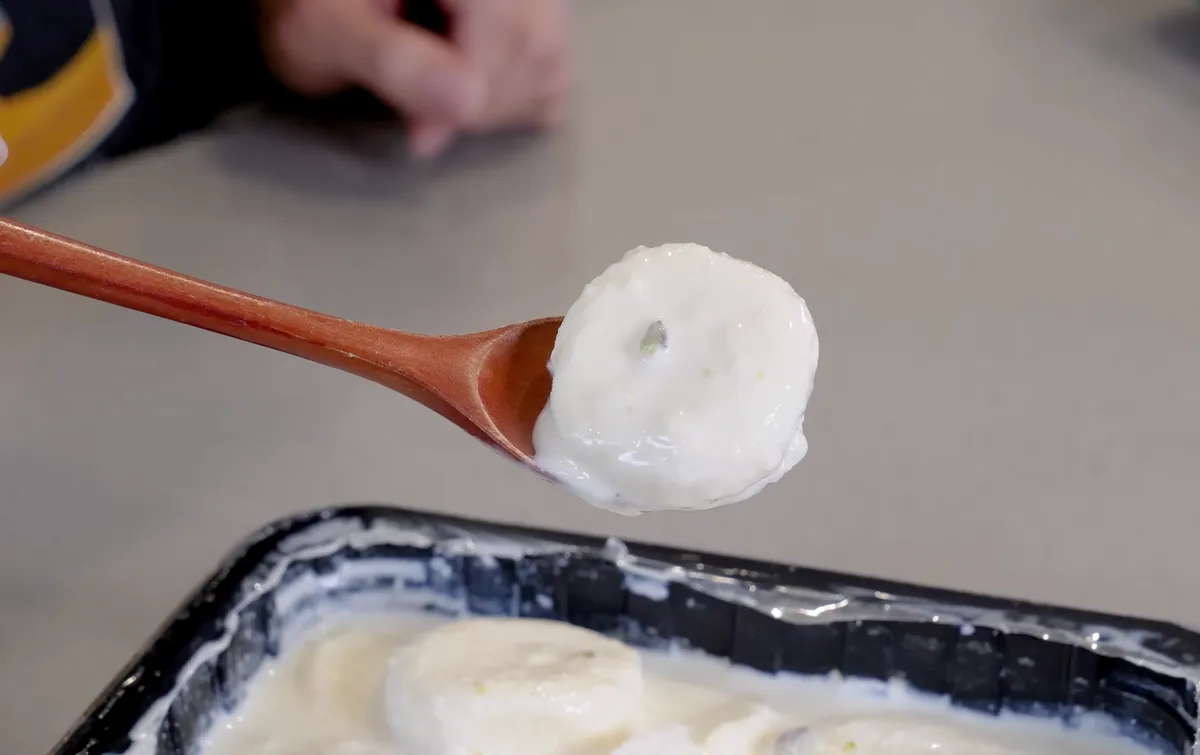
Okay. This is the one.
We love rasmalai. We have made it twice. Our attempts were fine — decent sweetness, a little squeaky, not revelatory. This Nanak version was revelatory.
The texture is so soft that the move is to press it against the roof of your mouth with your tongue and let it come apart there. George ate one and said it was "one of those moments where time just stands still and you're going to enjoy the rasmalai forever." That is a direct quote. He then said 20 out of 10. The rabdi (the sweetened milk it soaks in) is a fraction as sweet as the version we made ourselves, which turns out to be the key: our homemade version was syrup-forward in a way that got heavy fast. This one is creamy and delicate and just sweet enough.
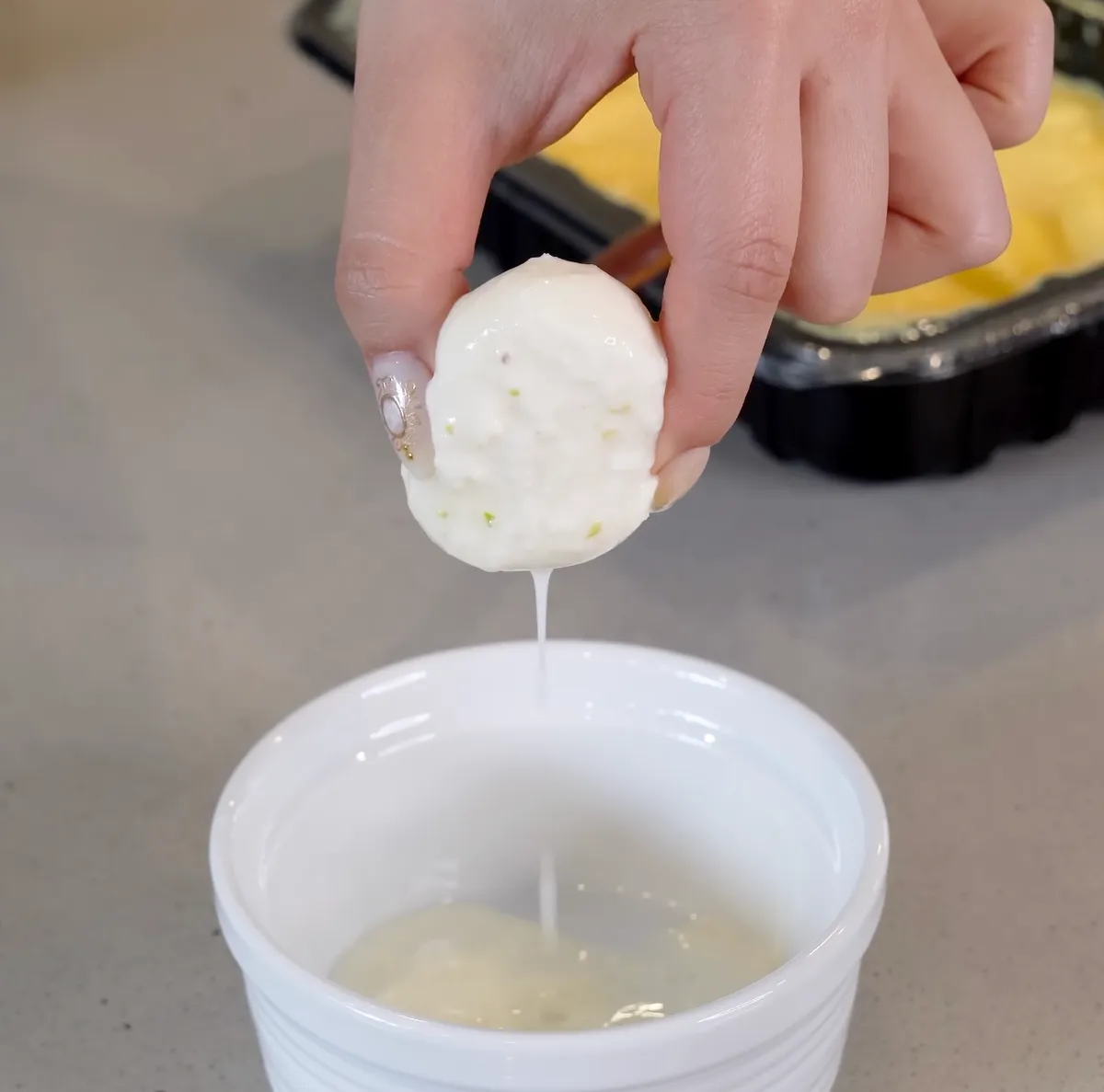
My rating: 10 out of 10, then 11. "This might be admittedly some of the best rasmalai I've ever had," I said, slightly embarrassed, because we eat rasmalai at Indian restaurants regularly and this is a frozen grocery product. It earned the rating.
We also tried it slightly frozen because the centers were still cold when we opened the package. Also excellent. Rasmalai ice cream is a real genre and we are converts.
Rasmalai Mango
We had never seen a mango rasmalai before and grabbed it immediately. The mango rabdi is looser and more runny than the original, much brighter in color. George said it looked like mango lassi before we even opened the package, which was accurate. The discs themselves are larger and slightly more solid, with just a faint squeak at the center — what I called "a whisper of a squeak."
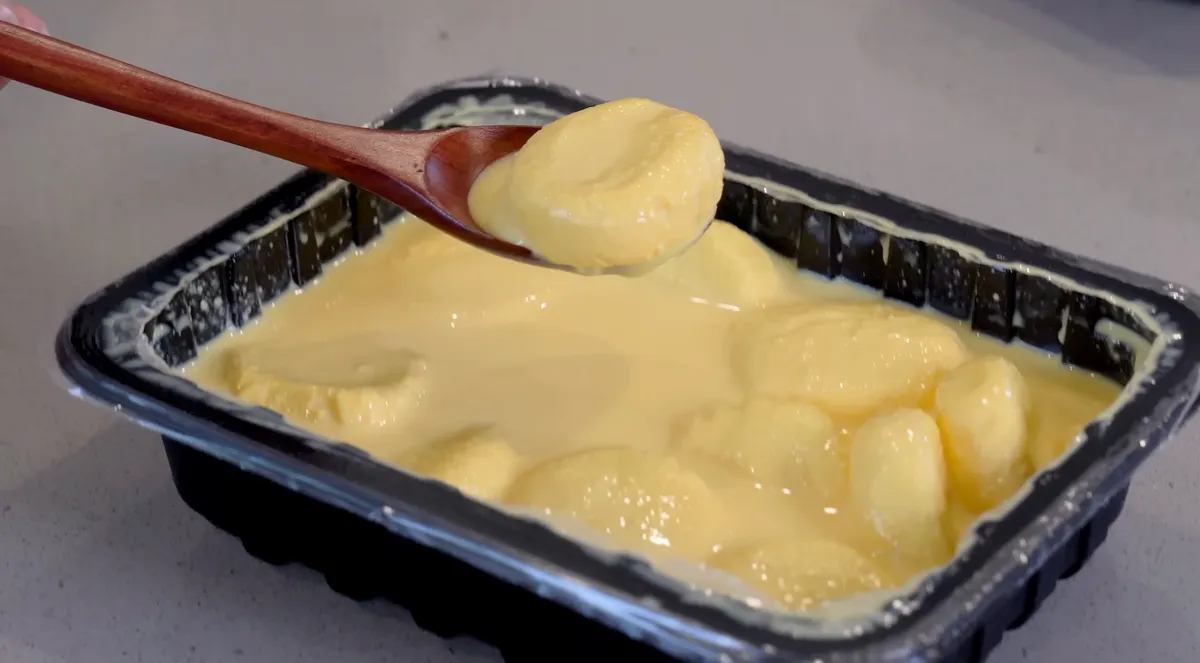
The flavor hit both of us hard in a good way. George's first three words were: "What the?" His follow-up comparison was to Melona, the Korean mango ice cream bar: creamy, tropical, real mango flavor that doesn't taste artificial. I gave it a 10 out of 10. George gave it 10.5, then clarified he needed the half point of separation to preserve that he likes the original more. Fair system.
If you see the mango version at the store, get both. You do not need to choose.
Gulab Jamun
Last but not least, and the only one that requires a microwave. Gulab jamun is George's least favorite dessert in this category — he is fundamentally a dairy-forward person, and gulab jamun doesn't give him that — so when his first reaction was "Is that the best gulab jamun I've ever had?", I made a note of it.
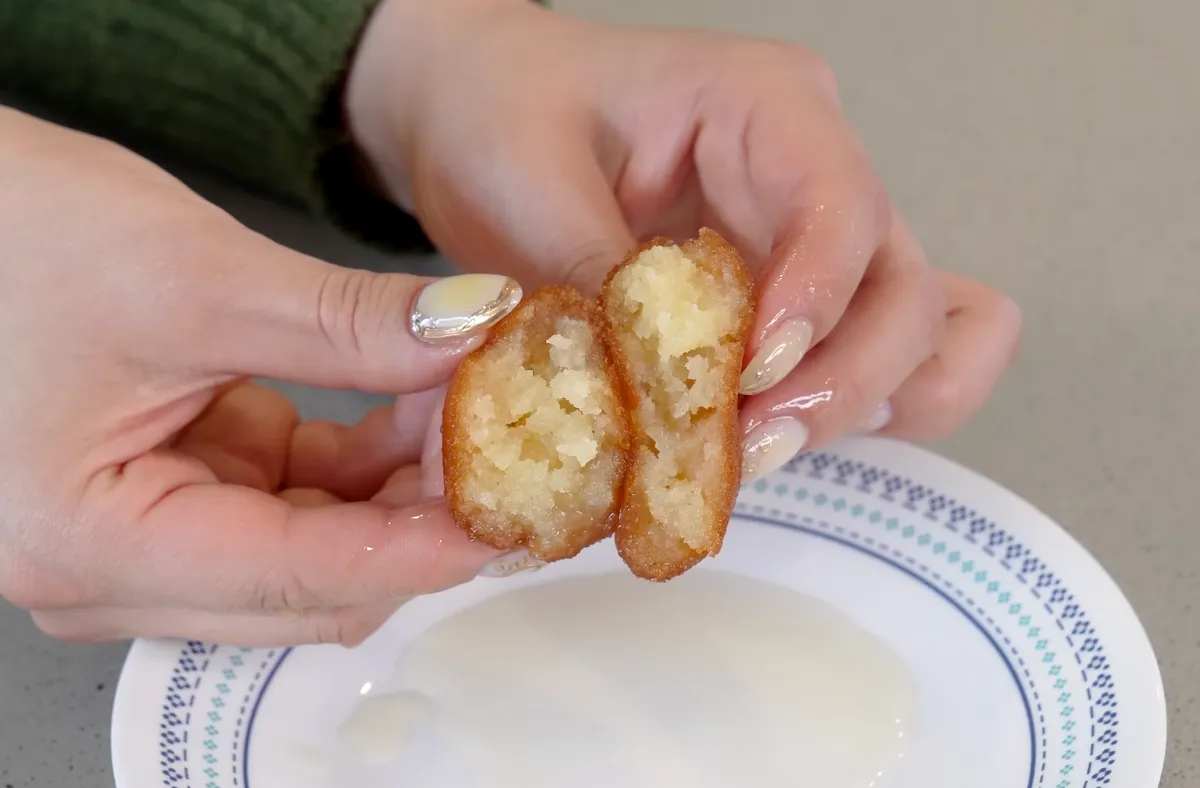
The difference from restaurant versions, we agreed, is that this one tastes like a cardamom donut rather than a pancake soaked in syrup. There's spice and depth that we don't usually get. To show George what cardamom actually smells like, I held a pod up to his nose. His description: "ginger adjacent — like they could be cousins, they smell like they could live in the same household, just in different rooms." This is very accurate and also a good way to introduce someone to cardamom.
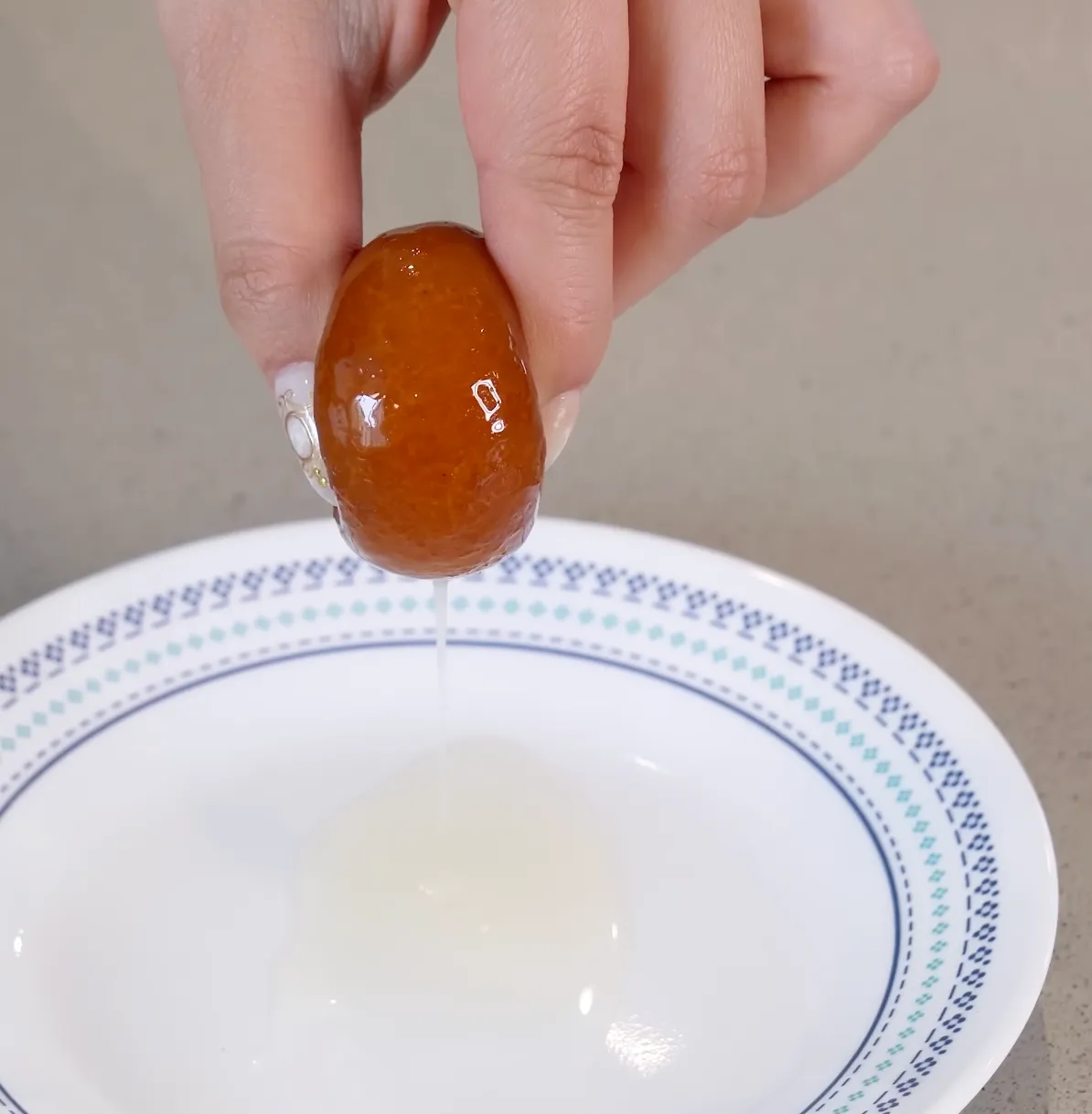
My rating: 10 out of 10. George, who does not love gulab jamun as a genre: 8 out of 10. He called it the best gulab jamun he's ever had and still gave it an 8. I think 8 from someone who's lukewarm on the category is genuinely high praise.
Practical note: if gulab jamun is usually too sweet for you, drain a little of the syrup before eating. We tried it both ways and lightly drained was the move for me.
One detail that hit us mid-haul: I'm lactose intolerant, and four of these five desserts are milk-based. I did not take any lactose pills. George looked at me and said "oh shoot." We kept eating anyway. I regret nothing.
The Final Verdict
George's overall favorite: rasmalai. No hesitation, no debate.
Mine: also rasmalai, with milk cake as a very close second.
Full ranking from the tasting:
- Rasmalai Original — the best frozen version either of us has tried, competitive with what we get at good Indian restaurants
- Milk Cake (Kalakand) — dangerously easy to eat, pure condensed milk energy, both of us gave it a 10
- Rasmalai Mango — tropical, creamy, unique; only loses to the original because the original has our whole heart
- Gulab Jamun — genuinely surprised us with its cardamom depth; worth trying even if it's not usually your order
- Rasgulla — pleasant and simple; a 7 is a fair dessert, just not the showstopper the others are
Price-wise, none of these are cheap. The rasmalais are $15 each, the milk cake $11, the gulab jamun $11. If you have to pick one or two to start: milk cake and the original rasmalai. Those two alone justified the entire haul.
And yes, we will be going back for the canned versions to see if frozen beats canned. That is a separate video. Stay tuned.
If you want to build a full Indian meal to pair with these desserts, my Dishoom-style Chicken Ruby butter chicken recipe is the main I'd serve — rich, layered, and exactly the kind of meal that deserves rasmalai for dessert.
Frequently Asked Questions
What's the difference between rasgulla and rasmalai?
Rasgulla is a spongy cheese ball soaked in light sugar syrup — bouncy, mildly sweet, and almost squeaky in texture. Rasmalai is a flatter disc soaked in sweetened, cardamom-infused thickened milk (rabdi) — creamy, softer, and richer. Same chhena (paneer-like cheese) base, completely different experience. Rasgulla is a ball in clear syrup; rasmalai is a disc in creamy milk.
How do you heat Nanak frozen rasmalai?
Thaw the sealed pouch in the refrigerator overnight, then serve cold or at room temperature — do not microwave rasmalai, the milk will break. For a warm option, transfer to a bowl and let sit at room temp for 30 minutes. Nanak gulab jamun is the exception — it needs a quick microwave warm-up since it's served warm.
Is Nanak milk cake (kalakand) gluten-free?
Yes. Milk cake is made from milk solids, sugar, and sometimes a touch of lemon juice or alum — no wheat, no flour, no starches. Nanak's milk cake is naturally gluten-free, as is their rasmalai, rasgulla, and gulab jamun. Always check the package if you have a severe allergy, but the traditional recipes for all four are gluten-free.
How long does frozen Nanak rasmalai last?
Unopened in the freezer: up to 6 months past the printed date, according to Nanak's packaging. Once thawed in the fridge, eat within 2–3 days — rasmalai is a dairy product and the rabdi sours quickly. Don't refreeze after thawing; the texture of the chhena discs breaks down.
What does kalakand (milk cake) taste like?
Pure condensed milk with a slightly grainy, crumbly texture — think fudgy, cake-like, and deeply dairy-forward. It's less sweet than burfi but denser than a sponge cake. The flavor is caramel-adjacent from the Maillard reaction during the long milk reduction. Nanak's version tastes like a cross between cheesecake and pound cake.
Frequently Asked Questions
What's the difference between rasgulla and rasmalai?
How do you heat Nanak frozen rasmalai?
Is Nanak milk cake (kalakand) gluten-free?
How long does frozen Nanak rasmalai last?
What does kalakand (milk cake) taste like?

Jasmine Pak
Recipe developer, travel storyteller, and the voice behind Jasmine Belle Pak. Sharing honest guides and tested recipes from around the world.