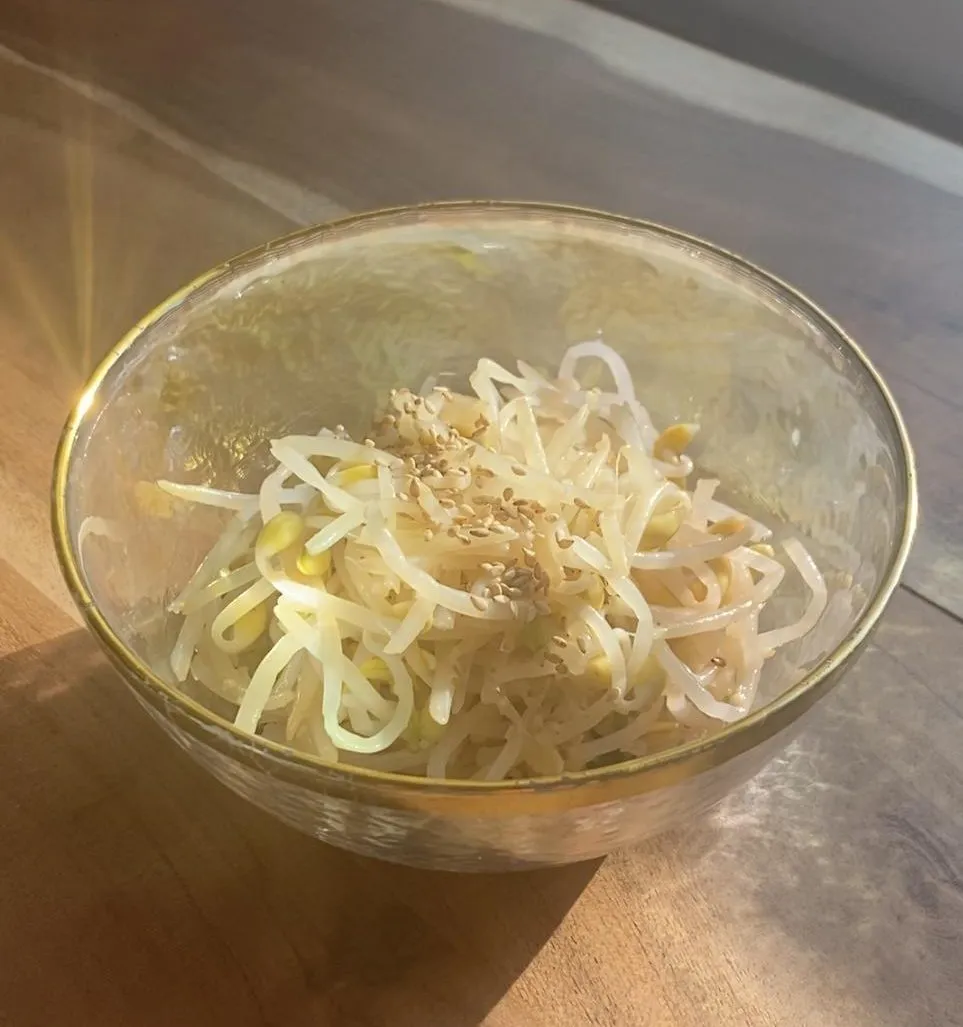
Make the Korean Bean Sprouts Banchan You See at KBBQ
Share
Table of Contents
Contents
Korean bean sprouts banchan — also called kongnamul muchim — is the crunchy, sesame-tossed side dish you see at every KBBQ spread. Mung bean sprouts blanched for 60 seconds, tossed with sesame oil, garlic, green onion, and toasted sesame seeds. It's one of my personal favorite banchans, and I'll happily eat a bowl of it cold by itself for breakfast. Refreshing, snappy, and ready in 7 minutes total.
TL;DR: Korean bean sprouts banchan (kongnamul muchim) is a 7-minute side dish — blanch mung bean sprouts for 60 seconds, shock in cold water, squeeze dry, then toss with sesame oil, minced garlic, green onion, salt, and toasted sesame seeds. Keeps 2 days refrigerated. Naturally gluten-free, not spicy (but easy to make spicy with a pinch of gochugaru).
What Is Kongnamul Muchim?
Kongnamul muchim (콩나물 무침) translates roughly to "seasoned bean sprouts." Kongnamul is the Korean word for soybean sprouts — longer, yellow-headed sprouts with a distinctive nutty bite. In the US, mung bean sprouts (the shorter, whiter ones) are easier to find and work beautifully in this recipe, which is the version you'll most often see at Korean BBQ restaurants in California and across the States.
The seasoning is dead simple: sesame oil, garlic, green onion, salt, and toasted sesame seeds. No soy sauce in the classic version — the goal is a clean, nutty flavor that lets the bean sprouts crunch shine. Spicy variations add gochugaru (Korean chili flakes) or a small spoon of gochujang, but the traditional white version is what shows up at KBBQ.
Why It Shows Up at Every KBBQ Spread
Banchan is the collection of small side dishes that make a Korean meal feel complete — typically 3 to 8 dishes covering different textures and flavors. Bean sprout banchan pulls its weight because it's:
- Crunchy — contrasts with rich grilled meats and soft rice
- Refreshing — sesame-and-garlic flavor cuts through fatty cuts like pork belly
- Cheap — 12 oz of bean sprouts costs about $1.50 and feeds 4
- Make-ahead friendly — hold a few hours in the fridge without losing crunch
It's the banchan equivalent of a palate cleanser. Pair it with oi muchim cucumber salad and eomuk bokkeum fish cake for a 3-banchan spread alongside sundubu jjigae or KBBQ.
Step-by-Step Walkthrough
Clean the Bean Sprouts
Rinse the mung bean sprouts in cold water and pick out any brown or limp ones. The stringy root tips are totally edible but can be hard to digest — you can remove them for a cleaner look, or leave them on if you don't mind. I usually snap off the obvious ones and move on.
Blanch for 60 Seconds
Bring a pot of water to a rolling boil, drop in the bean sprouts, and cook for exactly 1 minute. You want them cooked through but still snappy — not limp. Any longer and you'll get a soggy salad. Any less and they'll taste raw and grassy.
Shock and Squeeze
Drain immediately and rinse under cold running water for 30 seconds to stop the cooking. Once cool, grab small handfuls and gently squeeze out excess water — this is the single most important step for a non-soggy banchan. Skip it and the seasoning slides off into a puddle.
Season and Toss
Transfer the squeezed sprouts to a mixing bowl. Add sesame oil, chopped green onion, minced garlic, salt, and toasted sesame seeds. Toss gently with your hands or chopsticks until every sprout is coated. Taste and adjust — another pinch of salt or a few more drops of sesame oil often dials it in.
Tips for the Best Bean Sprout Banchan
- Don't skip the squeeze — residual water is the #1 reason home banchan tastes diluted. Two firm squeezes per handful is the right touch.
- Toasted sesame seeds matter — raw sesame seeds taste flat. If your jar isn't labeled toasted, toast them in a dry skillet over medium heat for 2–3 minutes until golden.
- Make it spicy — add a pinch of gochugaru (Korean chili flakes) for color and gentle heat, or a small spoon of gochujang for deeper spicy-savory flavor.
- Kongnamul swap — if you find soybean sprouts (longer with yellow heads) at H Mart, use them instead for the more traditional version. Blanch for 3 minutes instead of 1 since they're thicker.
- What to serve it with — this banchan is born for a Korean spread. Pair with oi muchim cucumber salad, eomuk bokkeum fish cake, and a bubbling bowl of sundubu jjigae for a full meal.
Frequently Asked Questions
How long can I store Korean bean sprouts banchan?
Kongnamul muchim is best enjoyed fresh but can be stored in an airtight container in the refrigerator for up to 2 days. If you smell any sourness, it's time to toss it.
Is Korean bean sprouts banchan spicy?
No, this version is not spicy, but you can add a pinch of red pepper flakes or gochujang if you prefer a little heat.
Can I substitute sesame oil in bean sprouts banchan?
You can use other oils like olive oil or avocado oil, but sesame oil gives the dish its distinct Korean flavor.
Can I make Korean bean sprouts banchan ahead of time?
It's best served fresh, but you can prepare it a few hours in advance and keep it refrigerated. Give it a quick toss before serving.
Do I need to blanch the bean sprouts?
Blanching is recommended. It softens the bean sprouts slightly while retaining their crunch and makes them easier to digest.
Is Korean bean sprouts banchan gluten-free?
Yes, this dish is naturally gluten-free. If you add soy sauce for extra flavor, use a gluten-free soy sauce.
Bean Sprout Banchan
AKA the popular girl 💁🏻♀️
Author: Jasmine Pak
Ingredients
- 12 oz mung bean sprouts (1 package)
- 1 tbsp sesame oil
- 1 tbsp chopped green onions
- 1 tsp minced garlic
- 1/2 tsp salt
- 1 tsp toasted sesame seeds
Instructions
- Prep your mung beans. Rinse them in cold water and remove any brown bits and long stringy ends. If you don't remove them, you may see them later! ;)
- Blanch the bean sprouts. Bring a pot of water to a boil.
- Add in the bean sprouts and cook for 1 min
- Remove immediately and rinse with cold water.
- Remove any excess moisture by carefully squeezing.
- Add bean sprouts to a medium mixing bowl.
- Add sesame oil, chopped green onions, minced garlic, salt, toasted sesame seeds and mix until evenly coated.
- Enjoy!
Notes
Removing the stringy bits off the bean sprouts is optional, but can be known to not be easily digestible.
Recommended Products
Glass Saucepan with Cover, 1.5L/50 FL OZ Heat-resistant Glass Stovetop Pot and Pan with LidDid you make this recipe?
Tag @jasminepak on Instagram!
Frequently Asked Questions
How long can I store Korean bean sprouts banchan?
Is Korean bean sprouts banchan spicy?
Can I substitute sesame oil in bean sprouts banchan?
Can I make Korean bean sprouts banchan ahead of time?
Do I need to blanch the bean sprouts?
Is Korean bean sprouts banchan gluten-free?

Jasmine Pak
Recipe developer, travel storyteller, and the voice behind Jasmine Belle Pak. Sharing honest guides and tested recipes from around the world.
Related Posts
 recipes
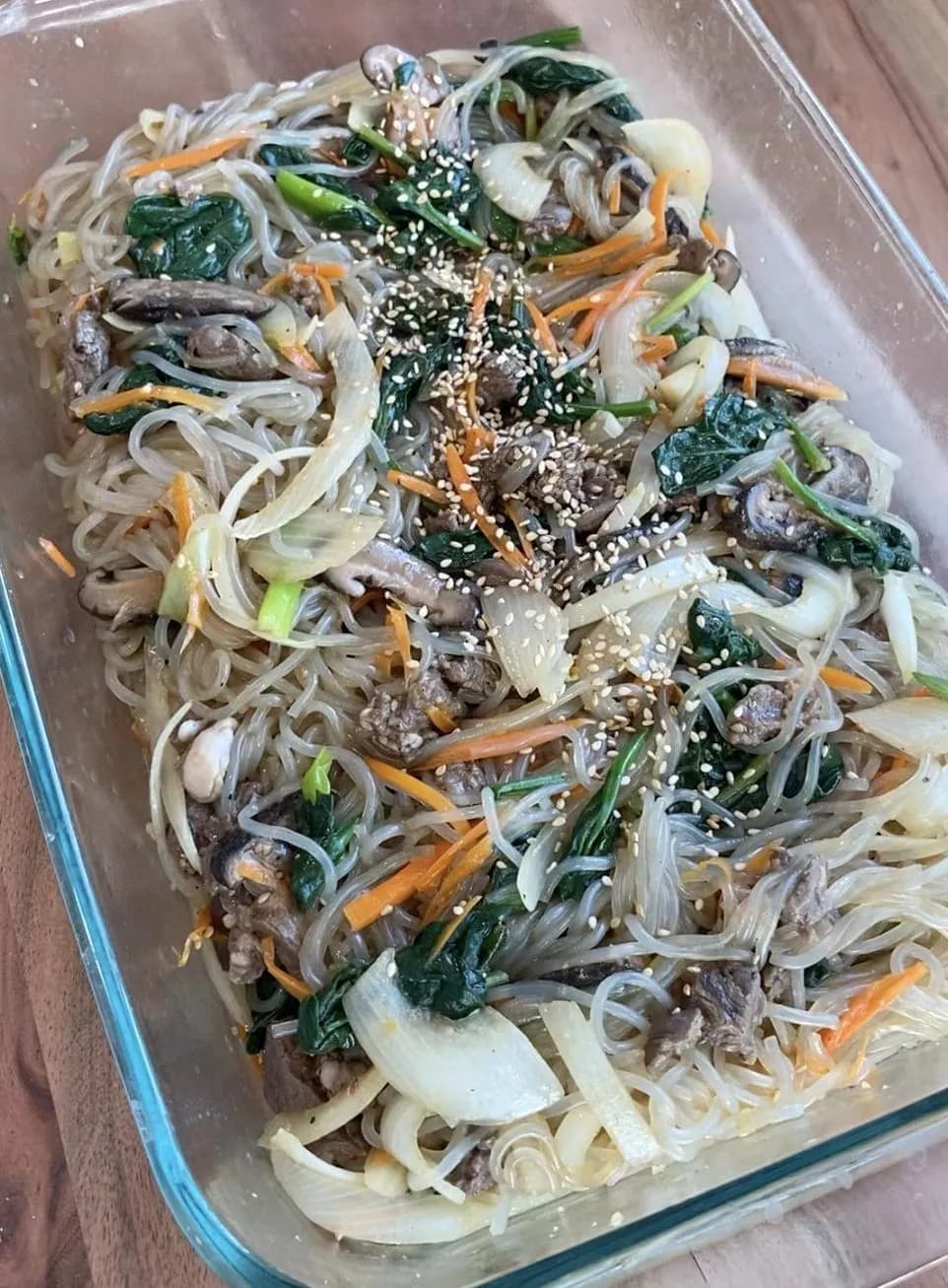
This Japchae (Korean Glass Noodle Stir-Fry) Will Shine at Any Potluck
Japchae is a popular side dish and is a glass noodle stir fry. If you go to any family event, I assure you that a huge foil tray filled with japchae wil...
Read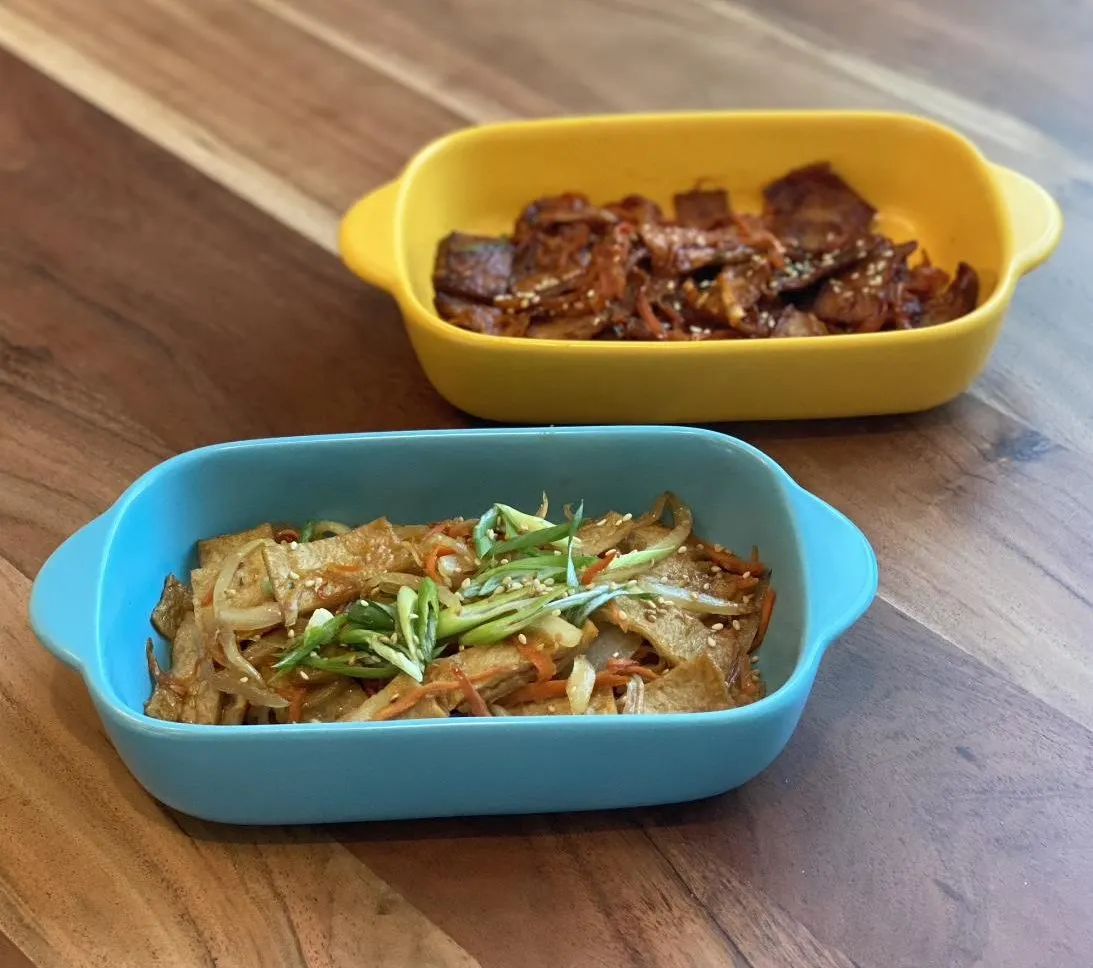 recipes
Easy to Make Korean Stir-fried Fish Cake (Eomuk Bokkeum)
Make this easy Korean fishcake banchan (eomuk bokkeum) in under 15 minutes. Sweet, savory stir-fried fish cake — a must-have banchan for any Korean meal.
Read recipes
Better Than BCD's Korean Tofu Stew (Sundubu)
Korean Sundubu, also known as Sundubu Jjigae, is a beloved dish that's a staple in Korean cuisine. It’s one of my favorite Korean dishes and is a must-h...
Read