
Better Than BCD's Korean Tofu Stew (Sundubu)
Share
Table of Contents
Contents
Korean sundubu jjigae is a spicy soft tofu stew — silky tofu, seafood or protein, and a gochugaru broth that comes together in 15 minutes flat. It's one of my favorite Korean dishes and a must-have whenever I come back from a trip. It's comforting, deeply savory, and feels like home. Its origins trace back to the Joseon Dynasty, when it was a simple dish of uncurdled tofu and water — reportedly created by fishermen who added tofu to their stews to make them more filling. Over time it evolved into the rich, spicy stew we know today, with seafood, meat, and vegetables layered into the broth.
TL;DR: Korean sundubu jjigae is a 15-minute spicy soft tofu stew — bloom gochugaru and garlic in oil, add protein (seafood, pork, or kimchi + mushrooms for vegetarian), pour in broth, drop in soft tofu and a raw egg, and serve sizzling. Adjustable heat, high protein, and cheaper than BCD.
What Is Sundubu Jjigae?
Sundubu jjigae (순두부찌개) means "soft tofu stew" — sundubu is the uncurdled, silken tofu packed in tubes at Korean markets, and jjigae is the general Korean word for stew. The defining ingredient is that soft, spoonable tofu that breaks apart as you stir the pot. It's almost always spicy (from gochugaru), almost always served bubbling hot in a clay dolsot, and almost always has a raw egg cracked in at the end that cooks in the residual heat.
The beauty of sundubu is how endlessly customizable it is:
- Seafood sundubu — shrimp, clams, and squid. The classic restaurant version.
- Kimchi sundubu — adds aged kimchi and pork belly for a funkier, smokier broth.
- Beef or pork sundubu — hearty and meaty, great for colder nights.
- Dumpling sundubu — kimchi mandu or pork mandu dropped in for extra texture.
- Vegetarian sundubu — mushrooms, zucchini, and kimchi with vegetable stock. See the FAQ below for the full swap.
Fitness-wise, it's high protein (tofu + seafood or meat), low carb if you skip the rice, and the spice level is fully adjustable. Bulking or cutting, sundubu works.
Why Sundubu Beats BCD (When You Make It at Home)
BCD Tofu House is the benchmark — anyone who grew up near a Korean restaurant has a BCD order memorized. But BCD charges $18+ for a single stone bowl, and the spice level is locked to "medium" unless you beg. Home sundubu costs maybe $6 to make, takes 15 minutes, and you control every variable: how spicy, how much seafood, whether the egg runs or sets, whether the tofu breaks apart or stays in big silken slabs.
One thing BCD has that you probably don't: a dolsot (Korean stone pot) that keeps the stew sizzling from table to last spoonful. You don't need one — any small heavy-bottomed pot works — but a dolsot turns this into a restaurant-level experience at home.
Step-by-Step Walkthrough
Bloom the Gochugaru
Heat oil in your pot over medium-low and add the gochugaru (Korean chili powder) plus minced garlic. Stir for about a minute until the oil turns deep red and the garlic smells toasty. This is the non-negotiable step — blooming the gochugaru in oil unlocks its color and aroma. Skip it and your broth tastes flat and looks pink instead of that deep chili-red. Don't crank the heat or the gochugaru will scorch and turn bitter.
Add Protein and Season the Base
Toss in your seafood mix (or pork, beef, kimchi — dealer's choice) and stir until every piece is coated in the red chili oil. Add the soy sauce and fish sauce and stir again. Fish sauce is the sneaky MVP here — it adds the savory funk that makes sundubu taste like sundubu. If you're making it vegetarian, swap in a teaspoon of miso paste or extra soy.
Simmer the Broth and Drop In the Tofu
Pour in your chicken broth (or anchovy-kelp broth, or water in a pinch) and bring it to a rolling boil. Once it's bubbling, add the soft tofu directly from the tube — break it into big chunks with a spoon as you drop it in. You want slabs, not mush. Add any veggies (mushrooms, zucchini, scallion whites) and simmer for 3–4 minutes so everything comes together.
Finish with Egg and Sesame
Once it's boiling again, crack a raw egg straight into the center. Don't stir — let the hot broth poach it. For a runny yolk, pull the pot off the heat after 30 seconds. For a set yolk, let it cook another minute. Off the heat, drizzle sesame oil and top with chopped green onions. Serve immediately with a bowl of short-grain rice on the side.
Tips for the Best Sundubu Jjigae
- Soft tofu specifically — grab the soon tofu tubes at any Korean market (H Mart, 99 Ranch, Galleria). Silken tofu from the regular grocery store is the closest sub. Firm tofu will NOT work — the texture is completely wrong.
- Spice control — 2 tablespoons of gochugaru is medium. Drop to 1 tablespoon for mild, add a teaspoon of gochujang for extra heat and depth. Taste the broth before adding tofu — that's your adjustment window.
- Broth upgrade — making anchovy-kelp broth from scratch takes 15 minutes and doubles the umami. Simmer 6 dried anchovies and a 4-inch piece of dried kelp in 2 cups of water for 10 minutes, then strain. Worth it.
- Vegetarian version — use vegetable broth, skip seafood/meat, and bulk it up with mushrooms (shiitake is ideal), zucchini, and a spoonful of kimchi for funk. A teaspoon of miso replaces the fish sauce.
- What to serve alongside — sundubu is a main, but it shines with banchan. Try my Korean cucumber salad (oi muchim) and Korean bean sprouts banchan to build a full spread. For a heartier Korean meal, pair it with kimchi pancake on the side.
Dolsot Care (If You're Using One)
Sundubu is traditionally served in a dolsot (Korean stone pot), which retains heat exceptionally well and keeps the stew sizzling throughout the meal. The stone also adds a subtle smoky char to the broth. If you want that full restaurant experience, here's how to take care of yours:
After cooking: Let the dolsot cool naturally before cleaning — sudden temperature changes crack the stone. Rinse with warm water only; cold water shocks it.
Stubborn residue: Make a paste of salt and warm water and scrub with a soft sponge. For really tough stuck-on bits, fill the pot with water and bring it to a boil to loosen the residue.
General care: Skip the soap if possible — stone absorbs scents. If you must use soap, use a tiny amount of mild dish soap and rinse thoroughly. Always dry completely to prevent mildew.
Seasoning: Before first use, coat the interior with a thin layer of vegetable oil and heat on low for 15 minutes. Let it cool, rinse, dry. Re-season any time the pot looks dry or loses its non-stick surface.
You can find dolsots at Korean grocery stores, or on Amazon — see the Recommended Products in the recipe card below.
Frequently Asked Questions
Can I make sundubu jjigae vegetarian?
Yes. Omit the seafood or meat and use vegetable stock for the broth. Add mushrooms, zucchini, and extra tofu for body and umami.
Is sundubu jjigae spicy?
The spice level is fully adjustable. Use less gochugaru (Korean chili powder) for a milder stew, or add gochujang for extra heat.
Can I store sundubu jjigae leftovers?
Yes. Store leftovers in the refrigerator for up to 3 days. Reheat gently on the stove and add a splash of water if the broth has thickened.
Do I need a dolsot (Korean stone pot) to make sundubu?
No. A dolsot gives the restaurant-style sizzling presentation and keeps the stew piping hot, but any heavy pot or small Dutch oven will make delicious sundubu at home.
What's the difference between silken tofu and soft tofu for sundubu?
Sundubu jjigae is traditionally made with soon tofu (extra-soft, uncurdled tofu) which comes in a tube at Korean markets. Silken tofu is the closest widely-available substitute — skip firm tofu, which won't give the same silky texture.
Korean Soft Tofu Stew (Soondubu)
Author: Jasmine Pak
Ingredients
Stew Base:
- 1 tbsp oil
- 2 tbsp Korean chili powder (gochugaru)
- 1 tsp minced garlic
- ½ tbsp soy sauce
- ½ tbsp fish sauce
Main Ingredients:
- 200g seafood mix (or protein of your choice, or omit)
- 1 cup chicken broth (or anchovy & kelp broth, or water)
- 2 packs soft tofu (24 oz)
- Veggies of your choice ie. Mushrooms, zucchini (I ran out in my fridge so I omitted)
- dash of sesame oil
- 1 egg (optional)
Instructions
- Combine oil, Korean chili powder, and minced garlic in a pot over medium low heat and stir for about 1 minute.
- Add the seafood mix or protein of your choice and mix until evenly coated.
- Add the soy sauce and fish sauce and mix again.
- Add the chicken broth and stir. Cook on medium high heat until it comes to a boil.
- Add extra soft tofu and veggies and cook for a few minutes.
- Once the stew comes to a boil again, add the egg. Cook the egg to your liking. I prefer the yolk to still be runny.
- Remove from heat. Add a dash of sesame oil and top with chopped green onions.
- Enjoy!
Recommended Products
Korean Stone BowlWooden Spoons (6 Pieces, 9 Inches)Did you make this recipe?
Tag @jasminepak on Instagram!
Frequently Asked Questions
Can I make sundubu jjigae vegetarian?
Is sundubu jjigae spicy?
Can I store sundubu jjigae leftovers?
Do I need a dolsot (Korean stone pot) to make sundubu?
What's the difference between silken tofu and soft tofu for sundubu?

Jasmine Pak
Recipe developer, travel storyteller, and the voice behind Jasmine Belle Pak. Sharing honest guides and tested recipes from around the world.
Related Posts
 recipes
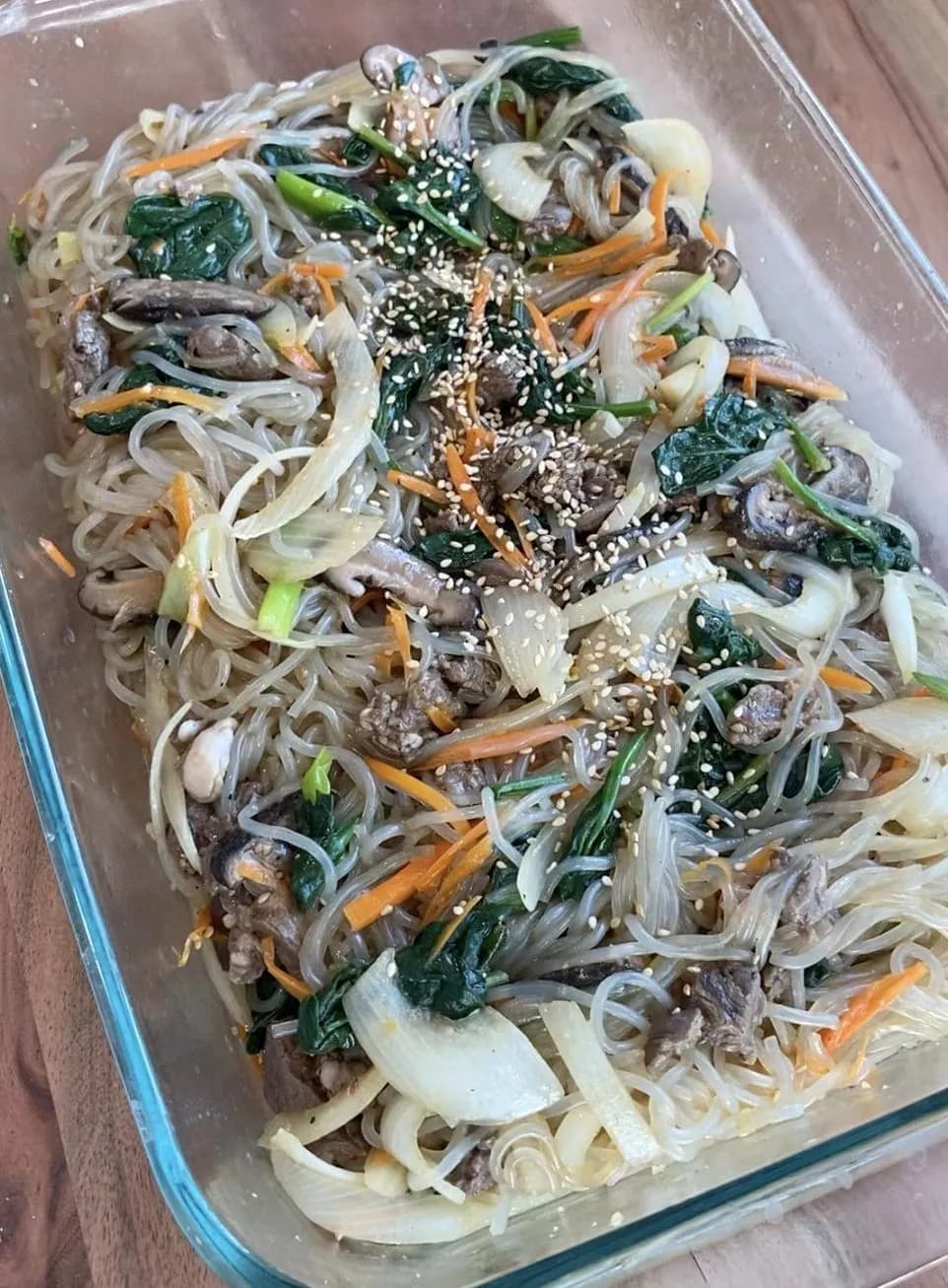
This Japchae (Korean Glass Noodle Stir-Fry) Will Shine at Any Potluck
Japchae is a popular side dish and is a glass noodle stir fry. If you go to any family event, I assure you that a huge foil tray filled with japchae wil...
Read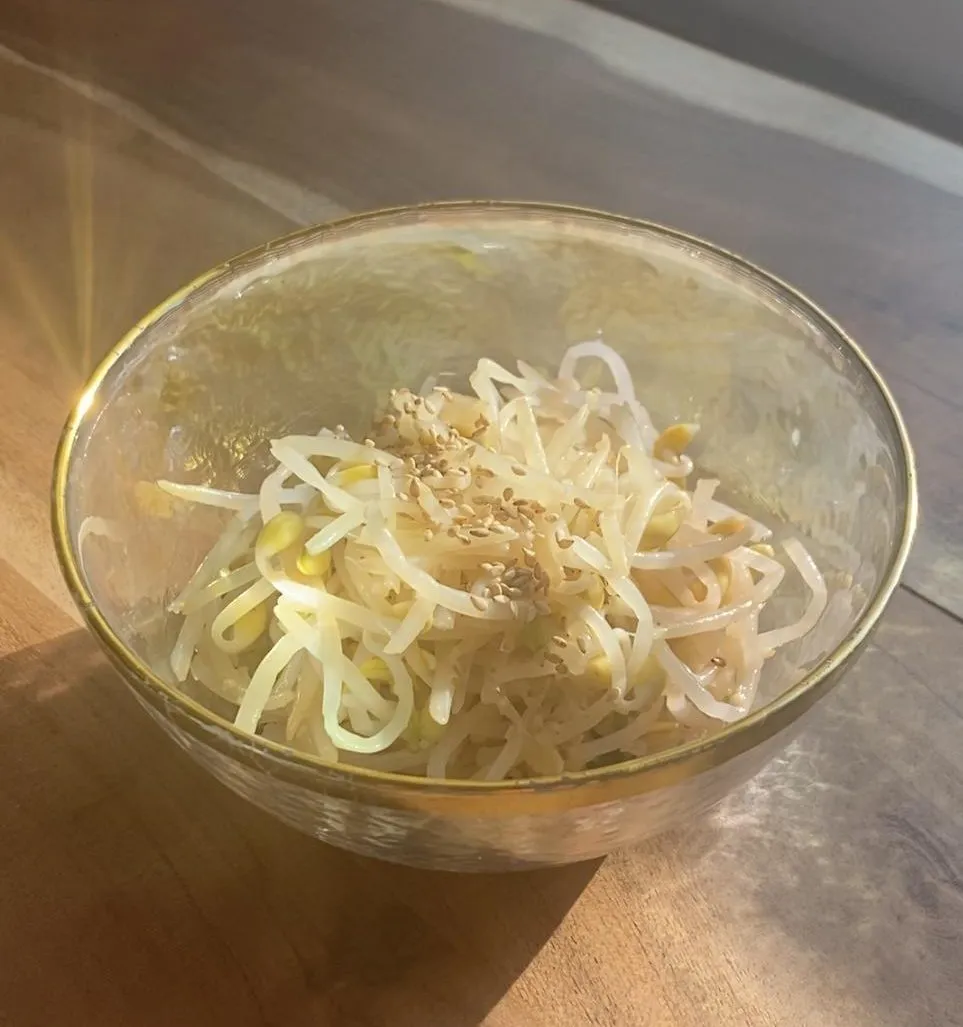 recipes
Make the Korean Bean Sprouts Banchan You See at KBBQ
Make Korean bean sprout banchan (kongnamul muchim) in minutes — a simple, sesame-tossed side dish you'll recognize from every KBBQ spread.
Read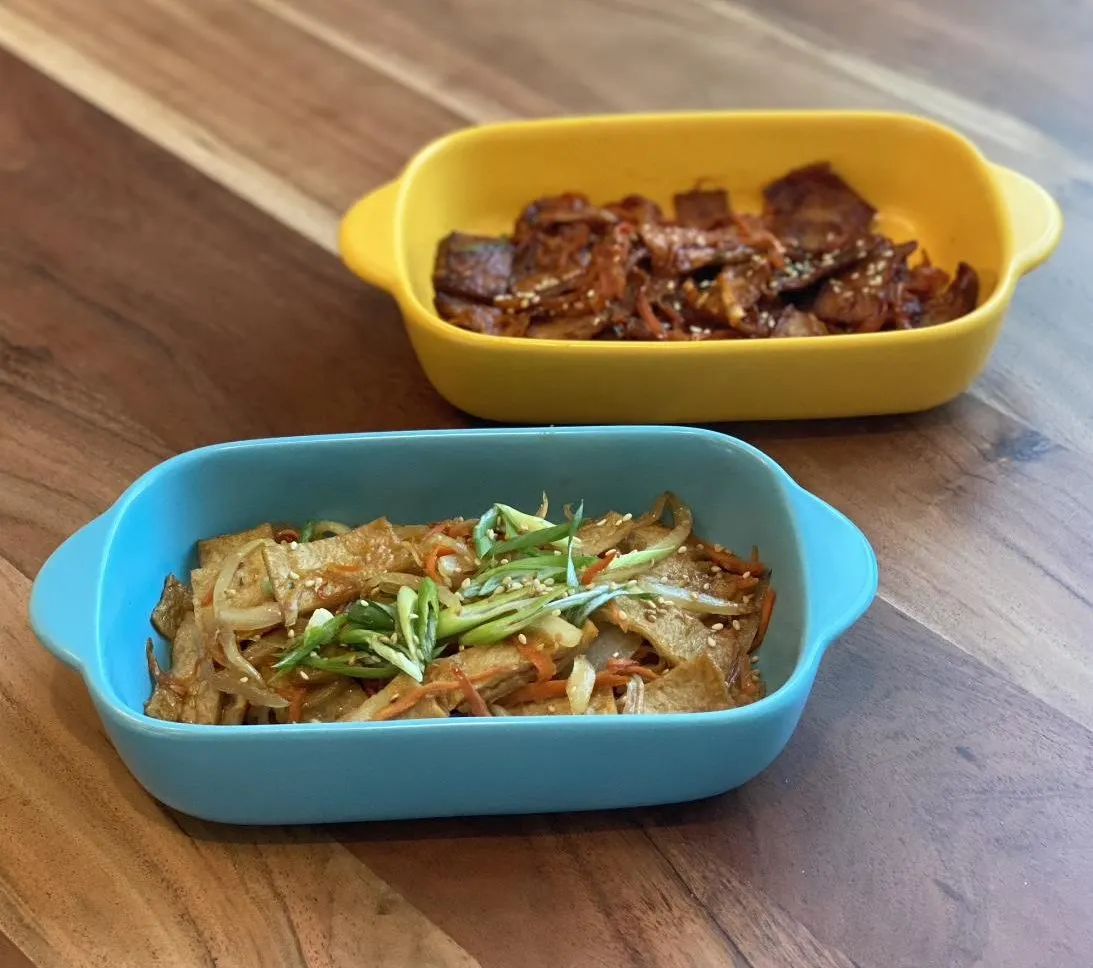 recipes
Easy to Make Korean Stir-fried Fish Cake (Eomuk Bokkeum)
Make this easy Korean fishcake banchan (eomuk bokkeum) in under 15 minutes. Sweet, savory stir-fried fish cake — a must-have banchan for any Korean meal.
Read