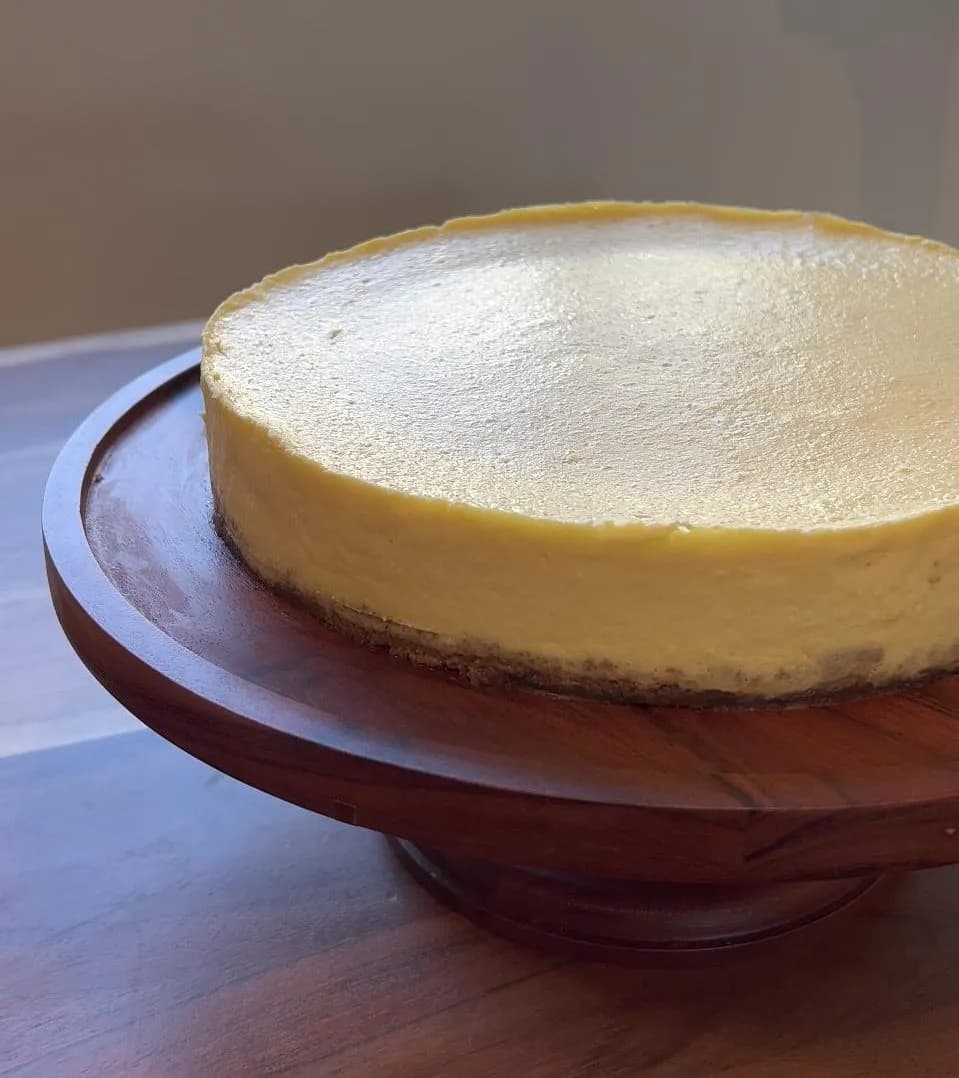
The Best Mango Cheesecake You've Never Had
Share
Table of Contents
Contents
Mango cheesecake is the dessert that made me rethink what a cheesecake could be. A colleague I barely knew handed me a slice years ago and I remember thinking, in that exact moment, that mango cheesecake was simply superior to a regular cheesecake. Tropical, creamy, rich, balanced by a brown sugar graham crust — this version is my attempt to recreate that flavor with ripe fresh mangoes instead of mango syrup, and after a few tries, it's the recipe I come back to every mango season.
TL;DR: Mango cheesecake is a baked, water-bath cheesecake with a creamy mango-forward filling over a brown sugar graham cracker crust. Blend 2 ripe mangoes into puree, beat with cream cheese, sugar, cornstarch, and eggs, pour over a pre-baked crust, and bake in a water bath at 325°F for 90 minutes until the edges set and the center jiggles slightly. Cool gradually in the oven, then chill overnight before slicing.
Why Brown Sugar Crust Matters for Mango Cheesecake
The crust is more than a base — it's the flavor anchor. Standard graham cracker crust uses white sugar, which gives you neutral sweetness and nothing else. Swapping in light brown sugar adds molasses depth that plays off the tropical sweetness of mango in a way white sugar never does. You get a crust that tastes like caramelized graham cracker, and when you take a bite with the mango filling, it's a completely different dessert than a plain cheesecake with a plain base.
Pressing the crust firmly into the springform pan is the second thing. You want a compact layer that supports the filling without crumbling when you slice. A flat-bottomed measuring cup is the tool — press hard, all the way to the edges, then pre-bake for 10 minutes to set it before the filling goes on.
How to Pick the Right Mangoes
The variety of mango you use will make or break this cheesecake. Alphonso mangoes are the gold standard — they're intensely sweet, rich, and low in fiber, which means the puree blends silky-smooth instead of stringy. You'll find them canned at Indian grocery stores year-round (Ratna or Deep are reliable brands), or fresh at H Mart and specialty produce stores in late spring/early summer.
If Alphonso isn't available, Ataulfo (also called honey or champagne mangoes) are the next-best — small, yellow, buttery, and sweet. Tommy Atkins — the red-green mangoes most American grocery stores stock — are the worst option for this cheesecake. They're fibrous, mild, and slightly tart, and the filling will taste flat no matter how ripe they are.
Test for ripeness: the mango should yield slightly to gentle pressure and smell fragrant at the stem end. Rock-hard mangoes will take 3–5 days at room temperature to ripen fully. Don't rush it — under-ripe mango makes the filling pale and lightly sour.
Common Cheesecake Mistakes (and How to Avoid Them)
- Cracks in the surface — caused by overmixing the batter (too much air) or sudden oven temperature changes. Mix just until combined, use a water bath, and cool gradually with the oven door slightly ajar.
- Soggy crust — happens when water seeps in through the springform seams. Double-wrap the pan with heavy-duty foil before the water bath. Pre-bake the crust 10 minutes to set it.
- Lumpy filling — cream cheese that's too cold won't whip smooth. Bring it to full room temperature (60–90 minutes on the counter) before starting. If lumps persist, strain the batter through a fine-mesh sieve.
- Runny center — the cheesecake is underbaked. Edges should be set and lightly golden; center should jiggle like set Jell-O, not slosh like liquid. Residual heat finishes the cook as it cools.
- Over-browned top — tent loosely with foil for the last 20 minutes if the top is darkening faster than the rest sets.
Step-by-Step Walkthrough
Make the Brown Sugar Graham Crust
Preheat the oven to 350°F. Combine graham cracker crumbs, light brown sugar, and melted butter in a bowl and stir until the mixture looks like wet sand — it should hold together when pressed between your fingers but still feel crumbly. Transfer to a 9-inch springform pan lined with parchment on the bottom, and press firmly into a flat, compact layer using the bottom of a measuring cup. Bake for 10 minutes to set it, then lower the oven to 325°F.
Prep the Pan for the Water Bath
Double-wrap the outside of the springform pan with two large sheets of heavy-duty aluminum foil, making sure there are no gaps at the base where water could seep in. This is non-negotiable — if water gets through, your crust turns to paste. Some people skip the foil and use a silicone springform cover or a plastic oven bag; either works, just make sure the bottom seam is fully sealed.
Blend the Mango Puree
Peel and chop 2 very ripe mangoes and blend them smooth in a food processor or blender. You should end up with roughly 2 cups of puree — bright yellow-orange, silky, no fibers. If your puree looks thin or watery, strain through a fine-mesh sieve to remove excess liquid. You want thick, concentrated mango flavor, not a watery mango smoothie.
Beat the Cream Cheese Until Smooth
In a large bowl with a hand mixer, beat the cream cheese on medium until light and fluffy — about 2 minutes. This is the step people rush and regret. Cold cream cheese will leave lumps no matter how long you beat it. Room-temperature cream cheese (60–90 minutes on the counter) whips smooth in minutes.
Add Mango, Sugar, Cornstarch, and Salt
Add the mango puree, sugar, cornstarch, and a pinch of salt to the cream cheese. Mix on low until fully combined and smooth — scrape down the sides halfway through. The cornstarch is the secret to that velvety set texture; sift it in or sprinkle slowly to avoid clumps.
Beat in the Eggs One at a Time
Add the eggs one at a time, beating just until each is incorporated before adding the next. This is where cracks are born — overmixing at the egg stage whips too much air into the batter, which expands in the oven and splits the surface. Stop as soon as the eggs disappear. The batter should look glossy, thick, and pale yellow-orange.
Pour, Tap, and Water Bath
Pour the batter over the pre-baked crust and smooth the top with a spatula. Tap the pan firmly on the counter 5–6 times to release trapped air bubbles. Place the foil-wrapped springform into a larger roasting pan and pour hot water into the outer pan until it reaches about halfway up the sides of the springform. Carefully transfer to the oven.
Bake Low and Slow
Bake at 325°F for 90 minutes. The edges should be set and lightly golden; the center should jiggle gently when you tap the pan. Do not open the oven door until the last 15 minutes — sudden temperature changes are the #1 cause of cracks. When it's done, turn off the oven, crack the door slightly, and let the cheesecake rest inside for 30 minutes. This gradual cool-down is critical.
Chill Overnight
Remove from the oven, let come to room temperature on the counter (about 1 hour), then wrap loosely and refrigerate at least 8 hours — overnight is better. The texture transforms during the chill: it goes from slightly loose to dense, creamy, and fully set. Skipping the overnight chill means a cheesecake that slices messy and tastes under-developed.
Unmold and Serve
Run a thin knife around the inside edge of the pan to release any sticking, then pop the springform collar off. Slide the cheesecake onto a serving platter. Top with fresh mango chunks, a drizzle of mango puree, a dusting of powdered sugar, or fresh mint leaves. For clean slices, dip your knife in hot water and wipe between each cut.
Tips for Success
- Use room-temperature cream cheese — cold cream cheese is the #1 cause of lumpy filling. 60–90 minutes on the counter.
- Don't overmix after adding eggs — beat just until combined. Extra air causes cracks.
- Seal the springform pan double-tight — two sheets of heavy-duty foil, no gaps. Water seeping in ruins the crust.
- Chill overnight, not just 4 hours — the texture at 8+ hours is completely different from 4 hours.
- Buy Alphonso or Ataulfo mangoes — Tommy Atkins (the standard US grocery mango) is fibrous and mild, which translates to a flat-tasting filling.
- Pair with other desserts — if you're building a dessert spread, serve alongside less-sweet dark chocolate chip cookies or soft and chewy black sesame cookies for contrast in texture and flavor.
Frequently Asked Questions
Can I use frozen mangoes for mango cheesecake?
Yes. Thaw the mangoes completely and drain all excess liquid before pureeing so the cheesecake batter doesn't turn watery.
How do I prevent my mango cheesecake from cracking?
Don't overmix the batter once the eggs are in — extra air causes cracks. Bake in a water bath and let the cheesecake cool gradually in the oven with the door slightly ajar.
What if I don't have a springform pan?
You can use a regular cake pan lined with parchment paper, but unmolding a whole cheesecake is tricky. For best results, use a springform pan.
Can I make mango cheesecake gluten-free?
Yes — swap the graham cracker crust for gluten-free graham crackers. The filling is already gluten-free.
Which mangoes are best for mango cheesecake?
Alphonso mangoes are ideal for their sweetness and rich flavor. Any very ripe, sweet mango variety will work — avoid fibrous or sour mangoes.
Mango Cheesecake With Brown Sugar Crust
Author: Jasmine Pak
Ingredients
Brown Sugar Graham Cracker Crust:
- 2 cups graham cracker crumbs (or 15 sheets ground in a food processor)
- 3 tbsp light brown sugar
- 6 tbsp butter, melted
Mango Cheesecake Batter:
- 2 cups mango puree (2 ripe mangoes, chopped and blended)
- 16 oz cream cheese (2 packs)
- 1/2 cup sugar
- 4 tablespoons corn starch (use 2 if a lighter texture is preferred)
- 2 eggs
- pinch of salt
Instructions
Brown Sugar Graham Cracker Crust:
- Preheat oven to 350F.
- Combine graham cracker crumbs, brown sugar, and melted butter in a medium bowl and mix until you get a wet sand texture.
- Transfer to a lined 9" springform pan and press down with a measuring cup.
- Bake for 10 minutes. Remove pan from the oven and transfer to a cooling rack.
- Lower the oven heat to 325F.
Mango Cheesecake Batter:
- In another large bowl with a hand mixer, beat the cream cheese until light and fluffy.
- Add mango puree, corn starch, sugar, and salt and mix until combined.
- Beat in the eggs one at a time. Do not overmix.
Bake and Set:
- Prepare your parchment-lined springform pan. Double wrap the pan with 2 sheets of aluminum foil making sure there is no room for water to get in.
- Pour the cheesecake batter onto the pre-baked crust and smooth.
- Tap the bowl to the counter to rid of any trapped air bubbles.
- Put your cheesecake into a larger baking pan and fill it with hot water about halfway up the sides of your cheesecake. Continue to make sure water is not getting into your foil.
- Bake for 90 minutes or until the sides are golden and the middle is still a little jiggly.
- Once the cheesecake is done baking, crack open the oven and let it rest for 30 minutes.
- Remove the cheesecake and let it come to room temperature.
- Once it is cool enough, wrap the cheesecake and refrigerate overnight until cold and firmly set.
- To serve, carefully unmold the cheesecake and move onto a serving platter.
- Optional: Top with mango chunks for extra brightness!
- Enjoy!
Recommended Products
12-Cup Food Processor Attachment with SELF-DETECT®9-Inch Leakproof Non-Stick Cheesecake Pan Springform PanDid you make this recipe?
Tag @jasminepak on Instagram!
Frequently Asked Questions
Can I use frozen mangoes for mango cheesecake?
How do I prevent my mango cheesecake from cracking?
What if I don't have a springform pan?
Can I make mango cheesecake gluten-free?
Which mangoes are best for mango cheesecake?

Jasmine Pak
Recipe developer, travel storyteller, and the voice behind Jasmine Belle Pak. Sharing honest guides and tested recipes from around the world.
Related Posts
 recipes
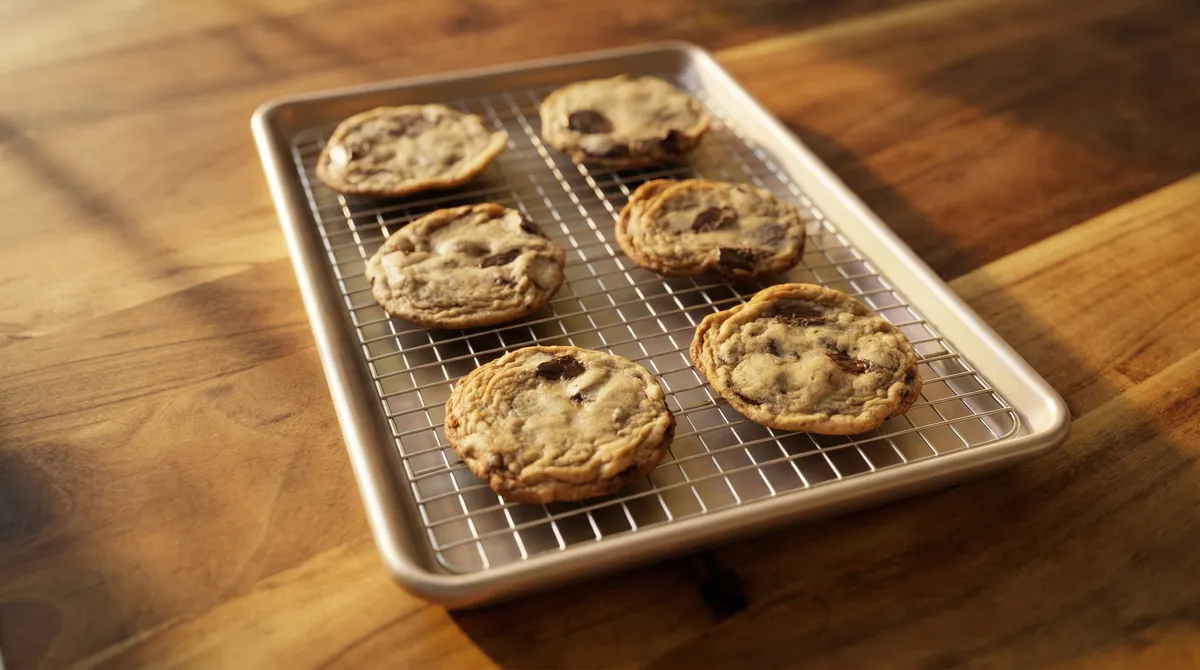
Less Sweet Chewy Dark Chocolate Chip Cookies
My favorite way to make chocolate chip cookies — less sweet, extra chewy, with dark chocolate chips. Chill the dough for 48 hours for the best results.
Read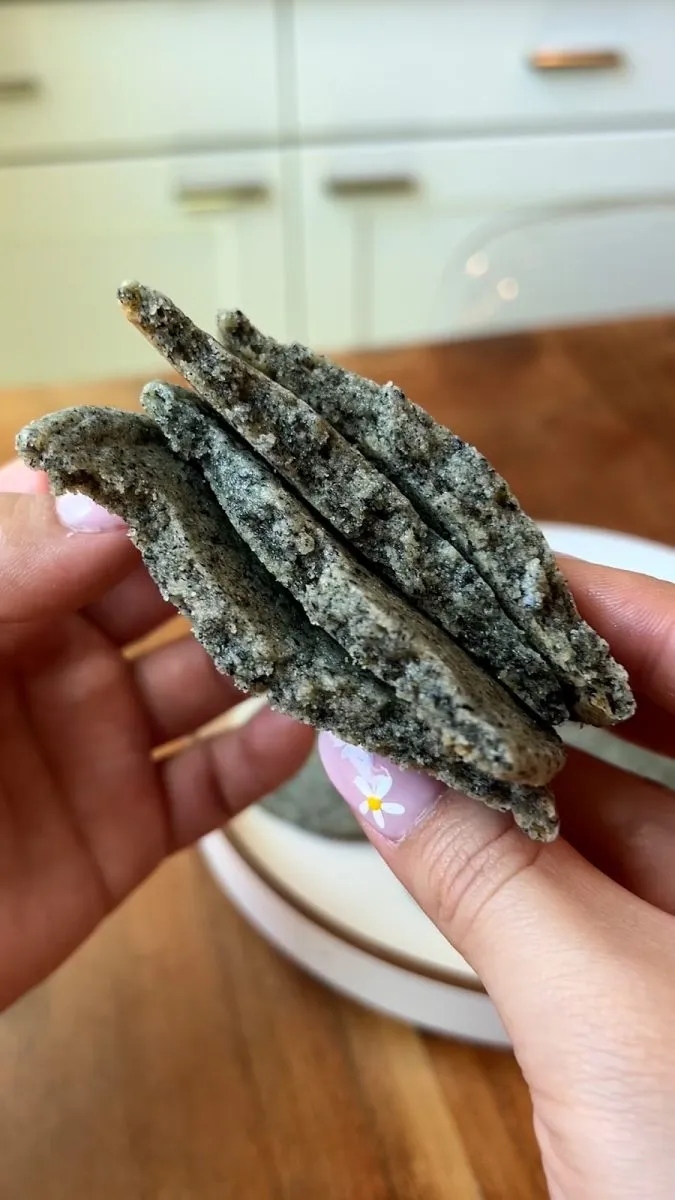 recipes
Make Way for Soft and Chewy Black Sesame Cookies
Hey everyone! I’m so excited to share my recipe for Soft and Chewy Black Sesame Cookies! I went through over 20 batches of these cookies to get them to ...
Read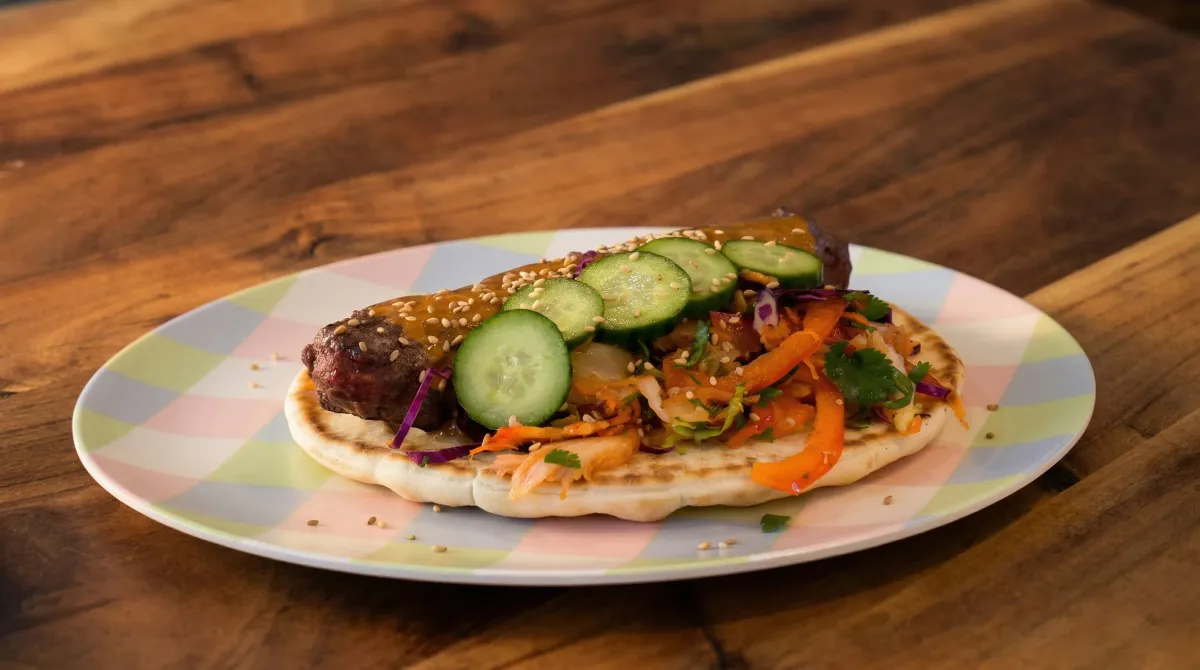 recipes
Recreating Disneyland's Ronto-Less Garden Wrap at Home
Jasmine's copycat of Disneyland's famous Ronto-Less Garden Wrap: gochujang mayo, kimchi slaw, sweet pickled cucumbers, and grilled beef patties in warm pita.
Read