
If You Like BBQ, Try This Korean Braised Oxtail (Kkorijjim)
Share
Table of Contents
Contents
When it comes to impressing guests or indulging in a luxurious home-cooked meal, my go-to dish is the Korean Braised Oxtail (Kkorijjim). This dish is a true feast for the senses, with its tender, fall-off-the-bone meat, rich umami flavors, and beautiful presentation. Best of all, it's surprisingly easy to prepare, especially with the help of an Instant Pot.
Korean Braised Oxtail, my absolute go-to show-stopping dish. In fact, I believe it is my signature dish. When I’m trying to impress, this is the first dish I think of. The oxtail itself is sumptuously tender, while the carrots, onion, and daikon radish serve as a delightful palate cleanser, each ingredient delivering distinct taste, responsible for their part of the project. The braising liquid, a blend of soy sauce, mirin, Korean pear, and other aromatic ingredients, creates a sauce that's rich in umami with a subtle sweetness and depth. The dish is then finished with a sprinkle of toasted sesame seeds and chopped scallions, adding a final touch of flavor and color.
TL;DR: Kkorijjim (Korean braised oxtail) is fall-off-the-bone tender meat in a soy-mirin-pear braising liquid — 40 minutes of prep, then let the Instant Pot do the work for 1.5 hours. The Korean pear is the secret to that melt-in-your-mouth texture.
Kkorijjim (also spelled kkori jjim or oxtail jjim) has a long history in Korean cuisine, often served during special occasions and celebrations. Its rich flavors and luxurious texture make it a perfect dish for impressing guests or celebrating important milestones.
Kkorijjim is often compared to Galbijjim, another beloved Korean braised dish made with beef short ribs. While both dishes feature succulent meat and a similar soy sauce-based braising liquid, Kkorijjim's use of oxtail gives it a unique texture and flavor that sets it apart.
Galbijjim, also known as Korean braised short ribs, is a traditional and popular dish in Korean cuisine. Its history dates back to the Joseon Dynasty (1392–1897), where it was considered a royal dish served during special occasions and banquets. The dish was initially called "jijim" and was made by grilling marinated meat. Over time, the cooking method evolved to braising, and the dish became known as "galbijjim."
The term "galbijjim" is derived from two Korean words: "galbi," which means ribs, and "jjim," which refers to the method of braising or steaming. Traditionally, galbijjim was made with beef short ribs, which were considered a luxury ingredient. The ribs were marinated in a mixture of soy sauce, sugar, and other seasonings, then slowly braised with vegetables like carrots, radishes, and chestnuts, resulting in a rich, flavorful, and tender dish.
Both kkorijjim and galbijjim have evolved over time and have become staple dishes in Korean cuisine, each with its unique flavors and textures. While Galbijjim focuses on tender, marinated beef short ribs, Kkorijjim highlights the rich, gelatinous texture of braised oxtail. The exact timeline of their development may be unclear, but both dishes continue to be cherished and enjoyed in Korean households and restaurants around the world.
One thing that may be a surprise when finding it in restaurants is that it is NOT cheap! The price tag may be a sticker shock but the combination of premium ingredients, time-consuming preparation, and the culinary experience associated with Kkorijjim contribute to its higher price in restaurants. If you eat this dish at someone’s home, make sure to praise and thank the chef for their labor of love.
Why Oxtail?
If you're looking for a Korean oxtail recipe that delivers restaurant-quality results at home, this Korean braised oxtail recipe is it. Oxtail, once considered a less desirable cut of meat, has gained popularity for its rich flavor and succulent texture. It's packed with collagen, which not only contributes to the mouthwatering tenderness of the dish but also offers health benefits for your skin and joints.
Choosing and Preparing Oxtail
When selecting oxtail, look for pieces with a good meat-to-bone ratio and a healthy amount of fat, which will ensure a richer flavor. Preparation is key to maximizing the taste and texture of oxtail. Start by trimming off any excess fat, then rinse the oxtail under cold water and soak it for 20 minutes to draw out any excess blood. This step is crucial for achieving the clean, distinct flavors characteristic of Kkorijjim.
The Magic of the Instant Pot
One of the best things about this recipe is how simple it is to make with an Instant Pot. This modern kitchen gadget not only cuts down on cooking time but also locks in all the flavors, ensuring that every bite is as delicious as the last. If you don't have an Instant Pot, don't worry—a traditional stovetop method is also provided, so you can still enjoy this delectable dish.
The Role of Pear in Tenderizing Meat
The inclusion of Korean pear in the braising liquid is not just for flavor; it plays a crucial role in tenderizing the meat. Korean pear, like other fruits such as kiwi and pineapple, contains natural enzymes that break down the proteins in meat, making it more tender and succulent. In the case of Korean pear, the enzyme called calpain helps to soften the muscle fibers of the oxtail, resulting in that fall-off-the-bone texture that makes Kkorijjim so delightful.
Alternatives for Korean Pear
If you don't have access to Korean pear, there are several alternatives you can use to achieve a similar tenderizing effect:
- Bosc Pear: Bosc pears are a readily available substitute with a similar texture and sweetness to Korean pears.
- Apple: Fuji or Honeycrisp apples are good alternatives, as they are sweet and have a similar water content to Korean pears.
- Kiwi: Use kiwi sparingly, as it is a potent tenderizer. Half a kiwi blended into the braising liquid should suffice.
- Pineapple: Like kiwi, pineapple is a strong tenderizer. Use a small amount to avoid overpowering the dish.
When using these alternatives, keep in mind that the flavor profile of the dish may change slightly. However, the goal of tenderizing the meat will still be achieved, ensuring a delicious and succulent Kkorijjim.
Making It Vegetarian
While oxtail is the star of this dish, you can adapt the recipe for a vegetarian version by substituting the oxtail with hearty vegetables like mushrooms, cauliflower, eggplant, and more. You can also add potatoes. Simply adjust the cooking time accordingly.
Tips and Hacks
- Advance Preparation: You can prepare Kkorijjim up to two days in advance. The flavors will meld and deepen over time, making it even more delicious when reheated.
- Prep Hacks: To save time, prepare your vegetables and braising liquid ahead of time. This way, when it's time to cook, you can focus on searing the oxtail and bringing everything together.
- Serving Suggestion: Serve this dish with steamed rice to soak up the rich sauce, alongside banchan like Korean cucumber salad (oi muchim), bean sprout banchan, or japchae.
A Modern Take
In modern Korean cuisine, there has been a trend of adding new ingredients to traditional dishes to create innovative flavors and textures. Two popular additions to Kkorijjim, or Korean braised oxtail, are mozzarella cheese and rice cakes (tteok).
Mozzarella Cheese
Adding mozzarella cheese to Kkorijjim has become a popular twist in recent years. The creamy and stretchy texture of melted mozzarella complements the rich and savory flavors of the braised oxtail, creating a delightful contrast. The cheese also adds a layer of indulgence to the dish, making it even more comforting, satisfying, and homey. This fusion of Korean and Western flavors has been well-received, especially among younger generations who enjoy experimenting with their food.
Incorporating mozzarella cheese into Kkorijjim not only adds a creamy texture and rich flavor but also introduces an element of visual appeal that has become increasingly popular in modern presentations of the dish. After adding the cheese on top of the braised oxtail, the dish is typically placed under a broiler or fired with a kitchen torch until the cheese melts and becomes slightly golden and bubbly. This process creates a luscious cheese pull that is not only irresistible to cheese lovers but also adds a dramatic effect when serving the dish.
The melted mozzarella cheese gives you the perfect cheese pull once the oxtail are lifted, creating an eye-catching shot that is perfect for capturing in photos and videos. This visual appeal has made the cheesy version of Kkorijjim a favorite on social media platforms, where the dramatic cheese pull often garners attention and admiration.
Rice Cakes (Tteok)
The inclusion of rice cakes in Kkorijjim is another contemporary adaptation that adds a chewy texture to the dish. Tteok is a staple ingredient in Korean cuisine, and its addition to the braised oxtail stew provides a pleasant contrast to the tender meat. The rice cakes absorb the flavors of the braising liquid, making them a delicious complement to the oxtail.
Frequently Asked Questions
How do you store leftover kkorijjim?
Store leftover kkorijjim in an airtight container in the refrigerator for up to 4 days. The fat will solidify on top — scrape it off before reheating if you prefer a leaner sauce. Reheat gently on the stovetop over medium-low heat with a splash of water or broth to loosen the sauce. Kkorijjim actually tastes better the next day as the braising liquid soaks deeper into the meat.
Can you freeze kkorijjim?
Yes, kkorijjim freezes well for up to 3 months. Let it cool completely, then store in freezer-safe containers with the braising liquid covering the meat. Thaw overnight in the refrigerator and reheat on the stovetop. The vegetables may soften further after freezing, but the oxtail itself holds up beautifully.
Where do you buy oxtail?
Check the meat counter at Korean or Asian grocery stores first — they often carry pre-cut oxtail at better prices than mainstream supermarkets. H Mart, 99 Ranch, and Zion Market are reliable options. You can also ask your local butcher to special-order it. Costco occasionally carries oxtail in bulk. Expect to pay $8–$12 per pound depending on your area.
Can you make kkorijjim in a slow cooker?
Yes. After searing the oxtail, transfer everything to a slow cooker and cook on low for 8–10 hours or high for 5–6 hours. The sauce won't reduce as much in a slow cooker, so either use slightly less liquid or transfer the sauce to a pot at the end and reduce it on the stovetop for 15–20 minutes.
What is the difference between kkorijjim and kkori gomtang?
Kkorijjim is braised oxtail — the meat is seared, then slow-cooked in a soy sauce, mirin, and pear braising liquid until tender. Kkori gomtang is oxtail soup — the bones are boiled for hours in plain water until the broth turns milky white from the collagen. Kkorijjim is rich, sweet, and saucy. Kkori gomtang is clean, beefy, and served with salt and scallions on the side.
Korean Braised Oxtail (Kkorijjim)
Author: Jasmine Pak
Ingredients
Main
- 4 lbs oxtail
- 3 carrots, cut into large chunks
- 1/2 yellow onion, cut into large chunks, save other half for braising liquid
- 1 lb daikon radish, cut into large chunks
Braising Liquid
- 1/2 cup soy sauce
- 1/2 cup mirin
- 1 Korean pear
- 1/2 yellow onion
- 4 cloves garlic
- 1/2 inch piece ginger
- 4 tbsp sugar (I use Monkfruit Sweetener and it works great)
- 3 tbsp Korean plum extract (maesil cheong)- optional but strongly suggested!
- 1 tsp sesame oil
- 1 tsp black pepper
- Stovetop Users: add 2 1/2 cups chicken broth (alt: vegetable broth, mushroom water, or water)
Toppings
- toasted sesame seeds
- 2 scallions, chopped
Instructions
- Trim off any excess fat on the oxtail.
- Rinse oxtail under cold water and let soak for 20 minutes to draw out any excess blood.
- Drain and pat dry with paper towels.
- Press the “Saute” button on your Instant Pot. (Note: If you are not using an Instant Pot, a large pot will do.)
- Once hot, add oil to the bottom of your Instant Pot. In batches, sear the oxtail on all sides until golden brown. (Stovetop: In a large pot over medium high heat, sear the oxtail on all sides until golden brown.)
- In a blender, combine all the braising ingredients until it becomes a liquid. Do not worry about the sauce separating.
Instant Pot Users Continue Here (Stovetop Users continue below):
- To your pot with the oxtails, add the carrots, onions, and radish.
- Pour the blended braising liquids over the oxtail and vegetables.
- Mix and ensure everything is coated.
- Attach your Instant Pot lid and ensure it is properly sealed with the steamer release piece set to “Sealing”
- Press the “Meat” function button and increase the time to 45 minutes using the “+” button.
- Once cooking time completes, allow the Instant Pot to naturally release its pressure. Rapidly changing the pressure and temperature can result in tougher meat.
- Remove the oxtail and vegetable from the pot.
- Reduce the sauce. Press the “Saute” function on your Instant Pot set on “Normal”. Reduce until slightly thick. Mine took about 30 minutes.
- Once the sauce reaches your desired thickness, add the oxtail and vegetables back into the pot and toss to coat.
- Top with toasted sesame seeds and scallions.
- Enjoy with rice!
Stovetop Users Continue Below
- Add 2.5 cups of chicken stock and the carrots to the pot . Cover and boil over medium heat for 30 minutes
- Add the rest of the vegetables. Cover and boil again for another 30 minutes. You may need more or less time. Keep an eye out on the sauce thickness and be careful to not burn it!
- Stir and boil again uncovered for another 10 minutes or until sauce has thickened.
- Top with toasted sesame seeds and scallions.
- Enjoy with rice!
Did you make this recipe?
Tag @jasminepak on Instagram!
Frequently Asked Questions
How do you store leftover kkorijjim?
Can you freeze kkorijjim?
Where do you buy oxtail?
Can you make kkorijjim in a slow cooker?
What is the difference between kkorijjim and kkori gomtang?

Jasmine Pak
Recipe developer, travel storyteller, and the voice behind Jasmine Belle Pak. Sharing honest guides and tested recipes from around the world.
Related Posts
 recipes
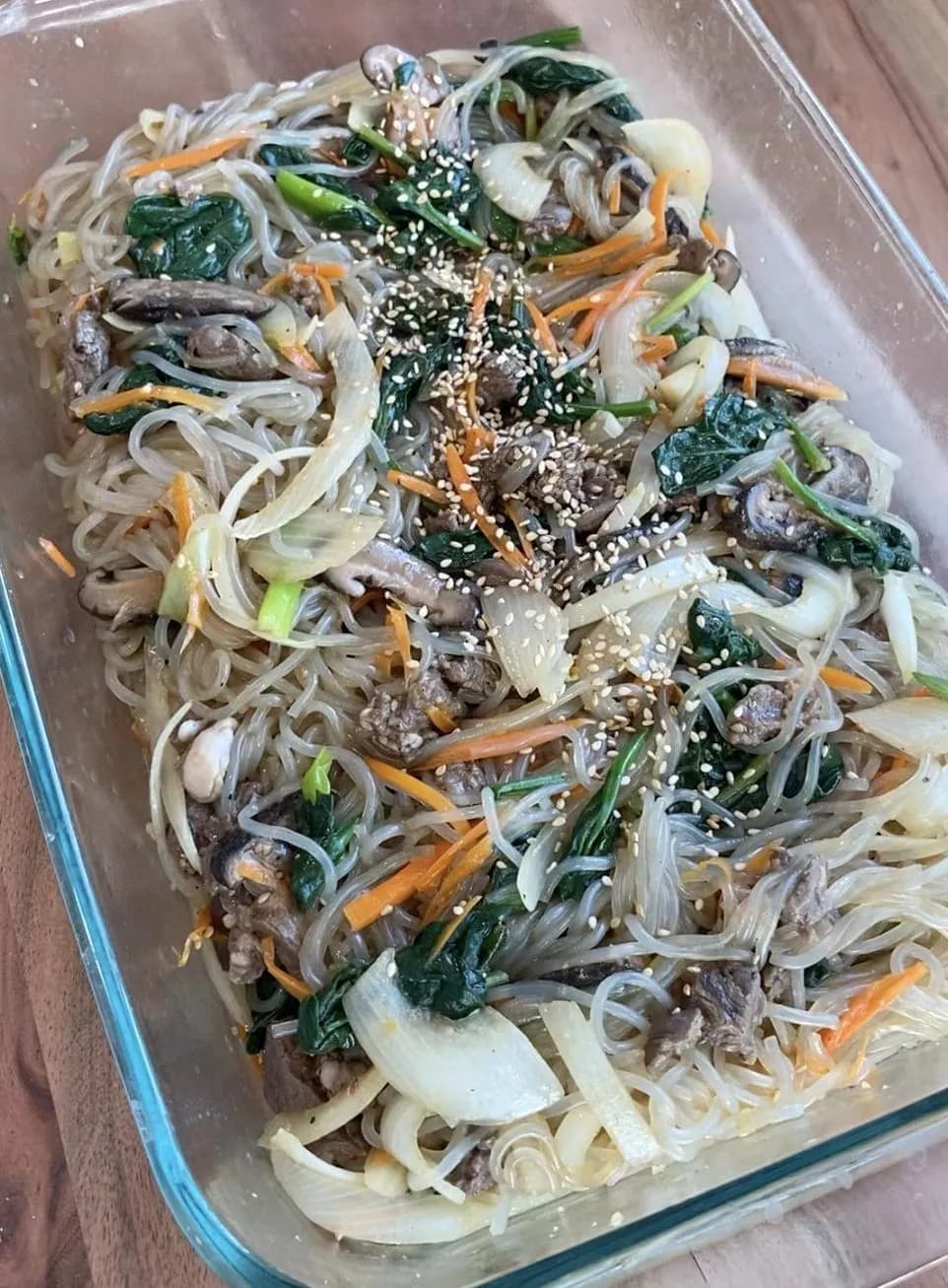
This Japchae (Korean Glass Noodle Stir-Fry) Will Shine at Any Potluck
Japchae is a popular side dish and is a glass noodle stir fry. If you go to any family event, I assure you that a huge foil tray filled with japchae wil...
Read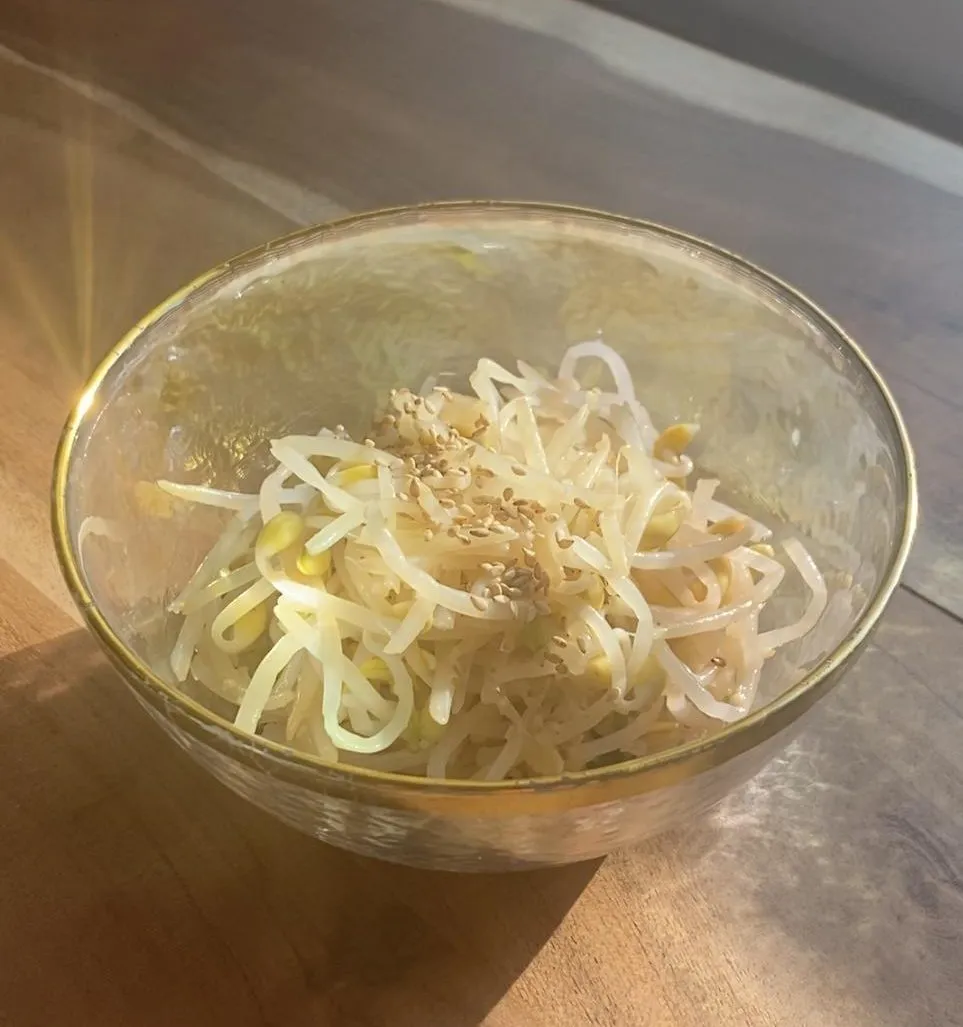 recipes
Make the Korean Bean Sprouts Banchan You See at KBBQ
Make Korean bean sprout banchan (kongnamul muchim) in minutes — a simple, sesame-tossed side dish you'll recognize from every KBBQ spread.
Read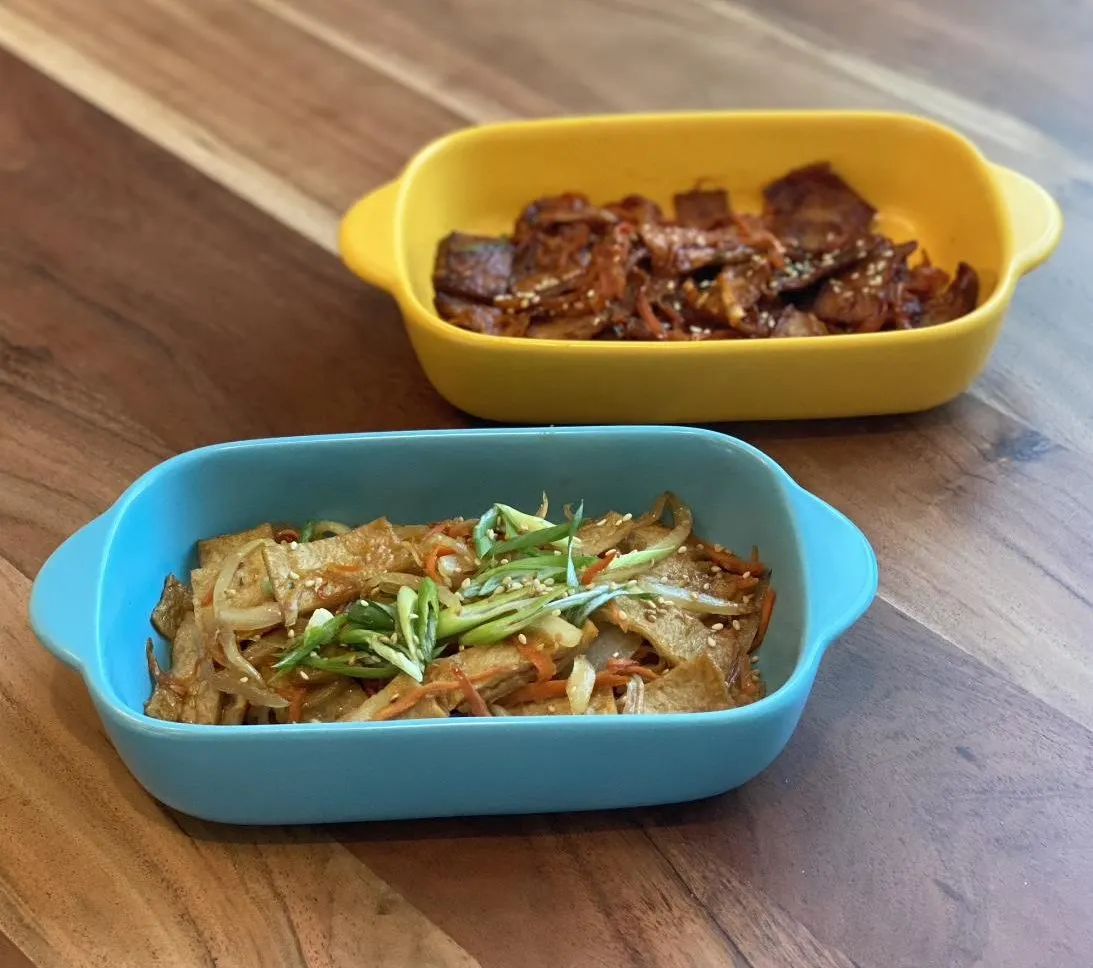 recipes
Easy to Make Korean Stir-fried Fish Cake (Eomuk Bokkeum)
Make this easy Korean fishcake banchan (eomuk bokkeum) in under 15 minutes. Sweet, savory stir-fried fish cake — a must-have banchan for any Korean meal.
Read