
Fluffy Shin Ramen Steamed Egg (Gyeran Jjim)
Share
Table of Contents
Contents
When I saw this Shin Ramen Korean steamed egg hack, I knew I had to try it for myself. Honestly, I was a bit upset I hadn't thought of it sooner — it's such a simple, delicious way to turn one cup of instant noodles into a full meal plus a fluffy side dish of gyeran jjim.
TL;DR: Shin Ramen gyeran jjim is a 5-minute Korean steamed egg hack — cook a Shin Ramen cup, eat the noodles, leave 2/3 of the soup behind. Beat 2 eggs into the leftover soup, drizzle in toasted sesame oil, microwave for 3 minutes. The Shin Ramen seasoning does all the flavor work — you get a spicy, savory, dramatically puffy steamed egg with almost zero effort.
The Origins of Gyeran Jjim
Gyeran jjim — literally "steamed egg" in Korean — is one of the oldest and most beloved banchan (side dishes) in Korean cuisine. Its roots trace back centuries to the Joseon Dynasty (1392–1897), where simple egg dishes were a staple in royal court kitchens and commoner households alike. Eggs were one of the most accessible sources of protein across all social classes in Korea, and steaming them with broth and seasonings was an easy way to stretch a few eggs into a dish that could feed an entire family.
The traditional method involves beating eggs with anchovy broth or dashima (kelp) stock in a ttukbaegi — the small, heavy stone or clay pot you see at every Korean restaurant. The pot goes directly over heat, and the combination of the stone's heat retention and the steam creates that signature pillowy, almost soufflé-like texture. The dish puffs up dramatically during cooking and then slowly deflates as it cools, which is completely normal and part of the charm.
What made gyeran jjim explode in popularity beyond Korea was the Korean barbecue boom of the 2000s and 2010s. As KBBQ restaurants spread across the U.S. and Europe, diners fell in love with the banchan spread — and gyeran jjim, with its dramatic puff and comforting custard texture, became a fan favorite. It's the kind of dish that looks impressive but requires almost no skill to pull off. Today you'll find it on the table at everything from casual home meals to high-end Korean tasting menus, and the internet has spawned dozens of clever variations — including this Shin Ramen hack that uses the instant noodle seasoning as the flavor base. It's one of those "why didn't I think of this sooner" moments that makes the dish even more accessible.
Step-by-Step Walkthrough
Make Your Shin Ramen
Prepare the Shin Ramen cup according to the package directions — boiling water, lid on, wait the full 3-4 minutes. I know it's tempting to cut it short but let the noodles cook all the way through. The seasoning needs that time to fully dissolve into the broth, and that broth is doing all the heavy lifting for your steamed egg. Use the regular Shin Ramen cup, not the bowl — the cup size is perfect for one serving of gyeran jjim.
Eat the Noodles, Save the Soup
Here's the fun part — eat your ramen! Slurp up all the noodles, but leave the soup behind. That spicy, savory Shin Ramen broth is basically a pre-made seasoning base for your steamed egg. You want a good amount of liquid left — don't drink it all down to the last drop. About half to two-thirds of the original broth is the sweet spot. The more soup you leave, the bigger and fluffier your egg will puff up.
Beat the Eggs Into the Soup
Crack both eggs directly into the remaining soup and beat them until smooth. Really get in there — you don't want streaks of egg white floating around. The goal is a completely uniform mixture so the egg steams evenly. The hot broth will start to warm the eggs slightly as you stir, which is totally fine. That actually helps the egg set faster and more evenly in the microwave. If you see any bits of noodle left in the soup, that's a bonus — little noodle pieces in the steamed egg are delicious.
Add the Sesame Oil
Drizzle in the sesame oil and give it one light stir. Don't go crazy mixing it in — you want the sesame oil to sit mostly on top so it perfumes the egg as it steams. Toasted sesame oil is the move here, not the light/refined kind. That nutty, roasted aroma is what takes this from "microwaved eggs" to something that actually tastes like restaurant banchan. One teaspoon is enough — sesame oil is potent and a little goes a long way.
Microwave and Watch the Magic
Cover the cup and microwave for 3 minutes. This is where it gets exciting — the egg will puff up dramatically, almost like a soufflé rising in the cup. Keep an eye on it through the microwave window if you can, because watching it inflate is genuinely satisfying. Every microwave is a little different, so if yours runs hot, check at the 2:30 mark. You want the egg to be set and fluffy but still slightly jiggly in the center — it'll continue cooking for a few seconds after you take it out.
Enjoy Immediately
Take it out carefully (the cup will be hot!) and eat it right away. The steamed egg is at its absolute best the moment it comes out — fluffy, custardy, and packed with that spicy Shin Ramen flavor. It will deflate a bit as it cools, which is completely normal. Top it with a sprinkle of green onion or a few sesame seeds if you're feeling fancy, but honestly it's perfect just like this. This is the ultimate lazy comfort food — a full meal and a side dish from one cup of ramen.
What to Serve With Shin Ramen Steamed Egg
This is a self-contained lazy meal (ramen + egg side), but if you want to build it into a full Korean spread, pair with:
- Korean bean sprouts banchan — crunchy, refreshing contrast to the fluffy egg
- Oi muchim cucumber salad — cold and spicy, cuts through the rich egg
- Korean tofu stew (sundubu) — if you want to go full Korean comfort-food mode on a cold day
- Kimchi pancake — another under-30-minute Korean favorite
Frequently Asked Questions
Why isn't my gyeran jjim fluffy?
Under-beating is the #1 cause — streaks of egg white steam differently than yolk and prevent the uniform rise. Beat until completely smooth with no streaks. The other culprit is not enough liquid: too little broth means the eggs dry out instead of steaming. Aim for at least 1/2 to 2/3 of the original Shin Ramen soup left in the cup before cracking the eggs in.
Can I make Shin Ramen steamed egg without a microwave?
Yes. Pour the beaten egg-and-soup mixture into a small ttukbaegi or heavy ceramic bowl, cover with foil, and steam in a pot over simmering water for 8–10 minutes. Or bake at 350°F in a water bath for about 12 minutes. Microwave is fastest, but stovetop gives you a silkier, more traditional texture.
How is gyeran jjim different from Japanese chawanmushi?
Both are steamed egg custards, but gyeran jjim is beaten vigorously to trap air (giving it that signature dramatic puff), while chawanmushi is gently whisked and strained for a smooth, silky surface. Gyeran jjim is bolder — garlic, green onion, sometimes chili. Chawanmushi is subtle with dashi and sometimes shrimp or ginkgo nuts.
Is Shin Ramen steamed egg spicy?
Moderately. Shin Ramen's seasoning packet is spicy but not punishing — about a 5 or 6 out of 10. The eggs mellow the heat significantly. If you want it milder, use half the Shin Ramen soup and top up with plain water. For a mild version entirely, swap Shin Ramen for any non-spicy instant ramen like Nongshim Neoguri Tempura or plain chicken broth with a pinch of salt.
Can I use regular instant ramen instead of Shin Ramen?
Absolutely. Any savory instant ramen broth works — Samyang, Nongshim, Maruchan, Indomie. The Shin Ramen version gets you that signature red-spicy flavor, but the technique works with any leftover seasoned broth. You can even use homemade anchovy or chicken stock with a pinch of gochugaru if you want to skip the instant ramen entirely.
Shin Ramen Steamed Egg (Gyeran Jjim)
Author: Jasmine Pak
Ingredients
- 1 Shin Ramen cup
- 2 eggs
- 1 tsp sesame oil
Instructions
- Prepare the Shin Ramen cup according to package directions.
- Enjoy your noodles, but leave the soup!
- Beat the eggs into the remaining soup until smooth.
- Add the sesame oil and stir lightly.
- Cover and microwave for 3 minutes.
- Enjoy immediately.
Did you make this recipe?
Tag @jasminepak on Instagram!
Frequently Asked Questions
Why isn't my gyeran jjim fluffy?
Can I make Shin Ramen steamed egg without a microwave?
How is gyeran jjim different from Japanese chawanmushi?
Is Shin Ramen steamed egg spicy?
Can I use regular instant ramen instead of Shin Ramen?

Jasmine Pak
Recipe developer, travel storyteller, and the voice behind Jasmine Belle Pak. Sharing honest guides and tested recipes from around the world.
Related Posts
 recipes
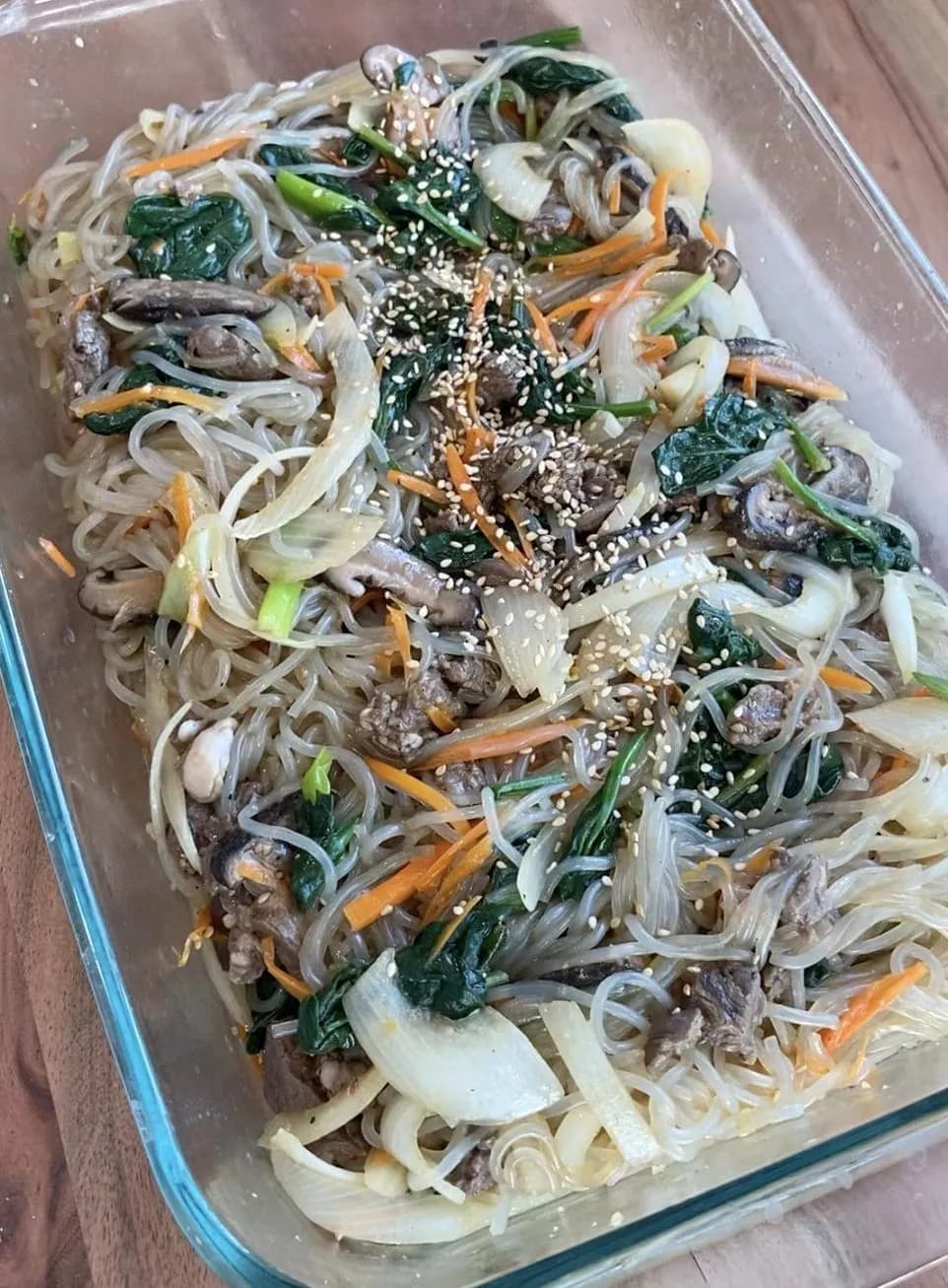
This Japchae (Korean Glass Noodle Stir-Fry) Will Shine at Any Potluck
Japchae is a popular side dish and is a glass noodle stir fry. If you go to any family event, I assure you that a huge foil tray filled with japchae wil...
Read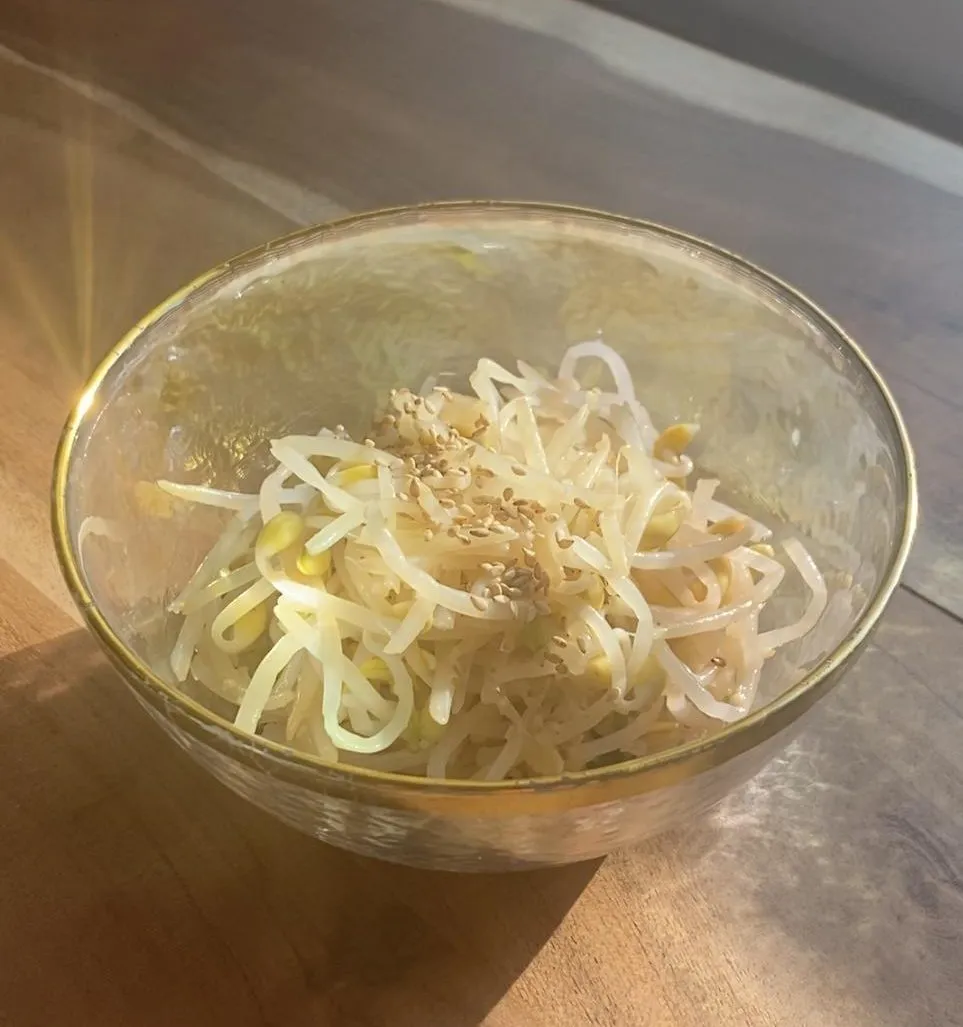 recipes
Make the Korean Bean Sprouts Banchan You See at KBBQ
Make Korean bean sprout banchan (kongnamul muchim) in minutes — a simple, sesame-tossed side dish you'll recognize from every KBBQ spread.
Read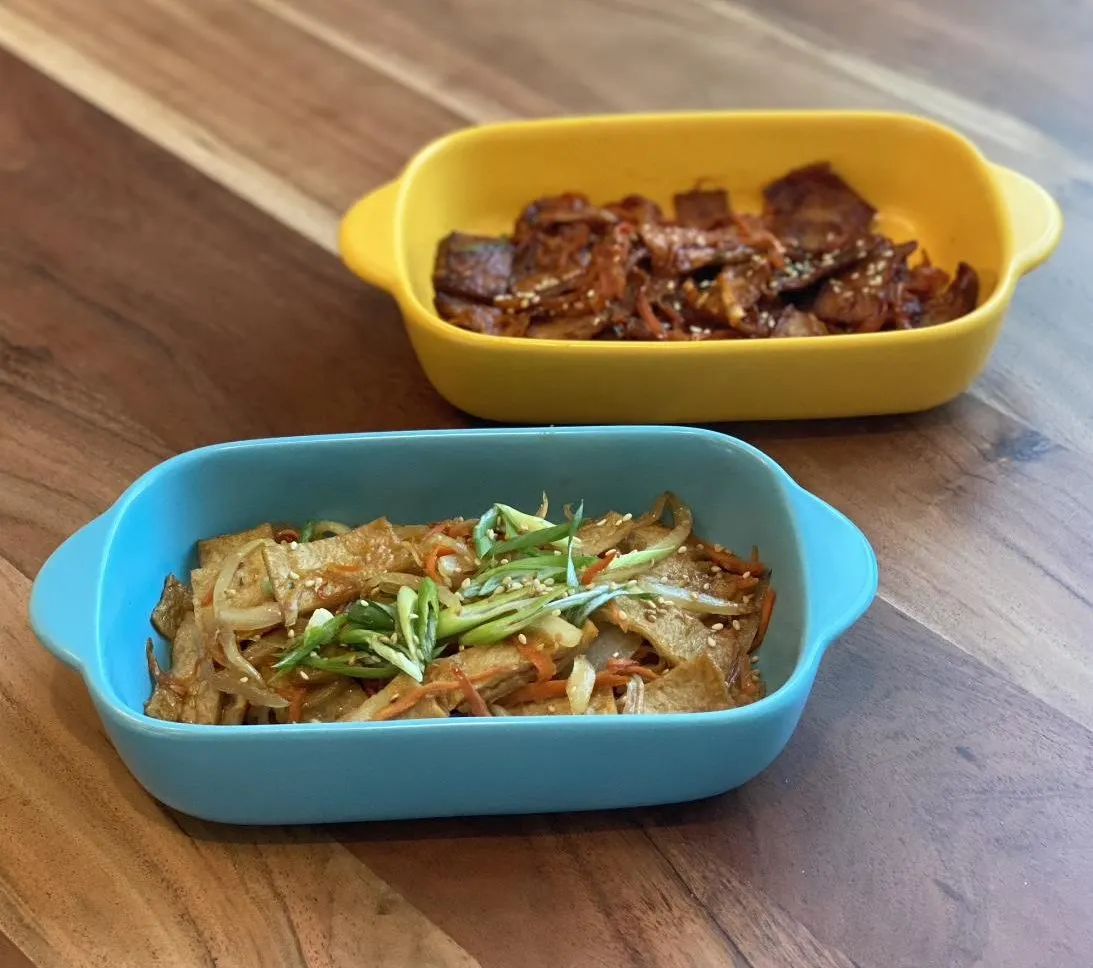 recipes
Easy to Make Korean Stir-fried Fish Cake (Eomuk Bokkeum)
Make this easy Korean fishcake banchan (eomuk bokkeum) in under 15 minutes. Sweet, savory stir-fried fish cake — a must-have banchan for any Korean meal.
Read